


Iceland’s small size belies its richness of unique experiences. In just a few days, a traveler can come face to face with waterfalls of all shapes and sizes; creatures not found anywhere else in the world; glaciers, ice caps, volcanoes, and lava fields; beaches of black sand and of perfectly smooth pebbles; and everything in between.
Read on for our pick of five unique travel highlights you can learn about, see, and experience on our Exploring Iceland small group tour.
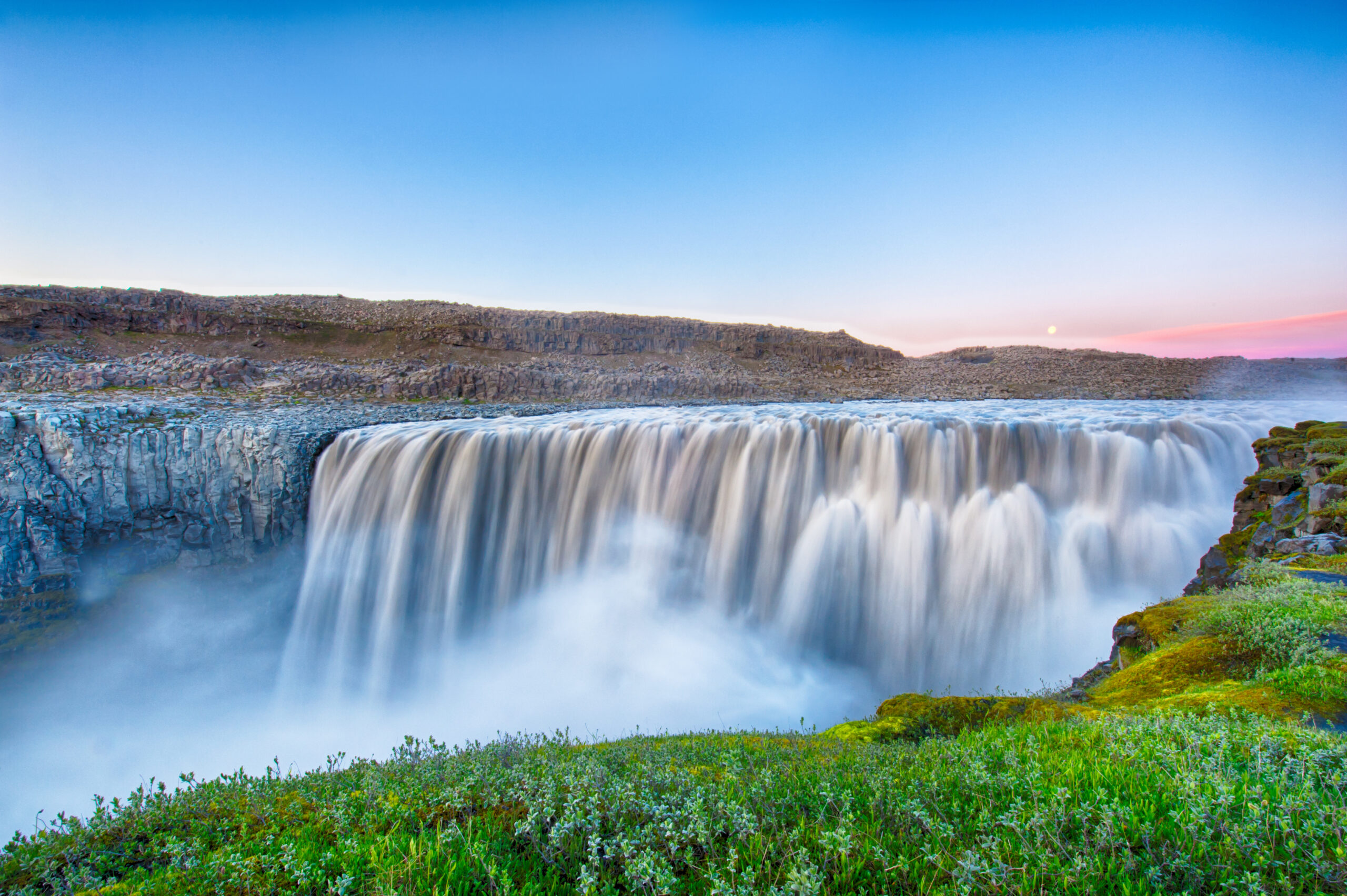
Iceland's Dettifoss, the most powerful waterfall in Europe.
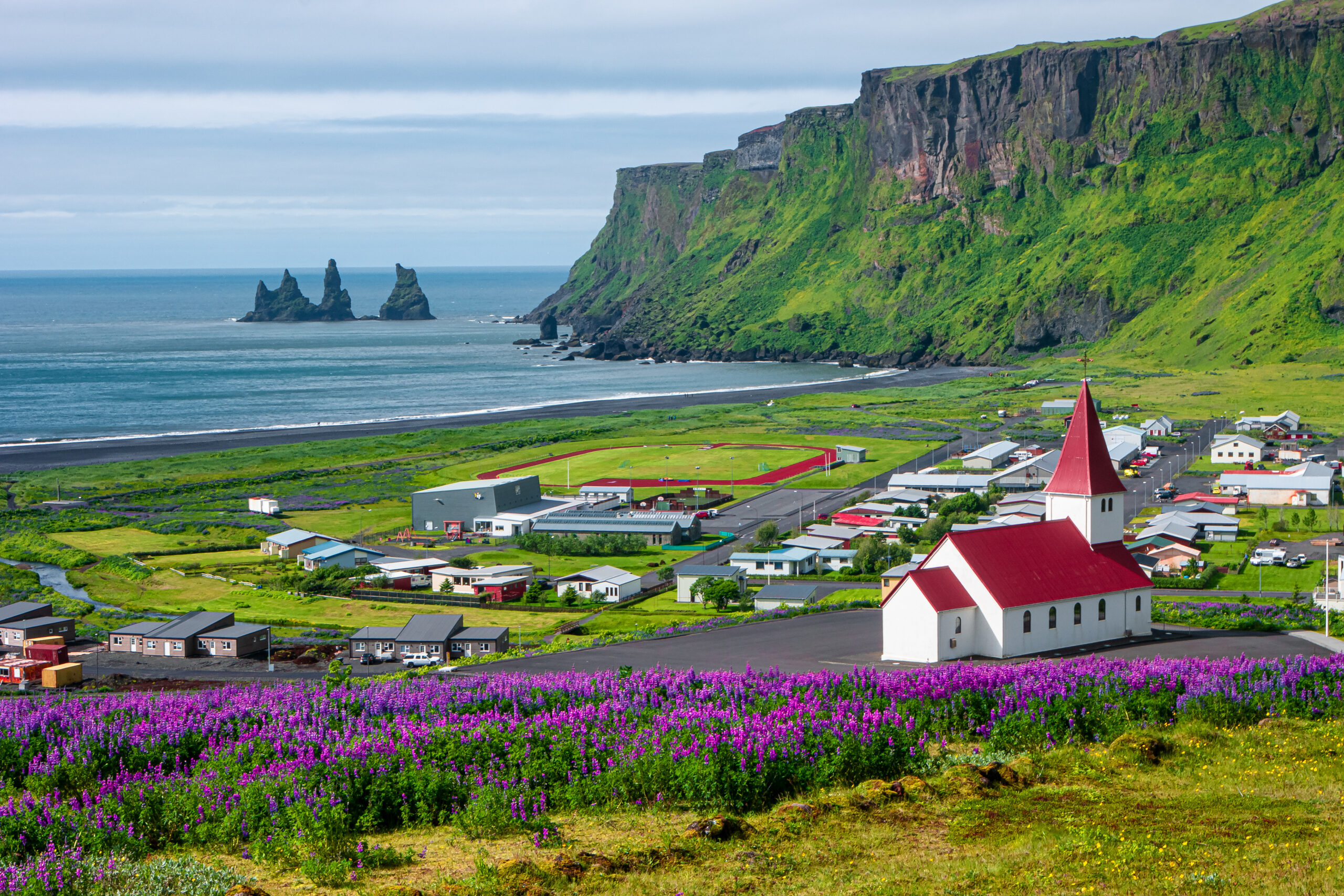
The charming town of Vik, sitting about 12 miles from the notorious volcano Katla and the huge Mýrdalsjökull ice cap, the fourth largest in the country.
Sky-blue icebergs, boiling mud pots, steaming hot springs, spouting geysers, thundering glacier-fed waterfalls, and endless moss-covered lava fields – these are just some features that have earned Iceland the nickname “The Land of Fire and Ice.”
Despite its name, Iceland was – and continues to be – formed by fire. About 18 million years ago, the island emerged from the ocean’s surface, formed by volcanic activity within a hotspot between the Eurasian and North American tectonic plates. This hotspot is still active beneath Iceland to this day, fueling over 130 volcanoes that continually shape the landscape of this 40,000-square-mile island (about the size of Virginia).
At the same time, about 10% of Iceland’s area is covered in ice – including the largest ice cap in Europe, Vatnajökull. This ice feeds many of the rivers, streams, and over 10,000 waterfalls throughout the country, aiding in the constant evolution of Iceland’s scenery.
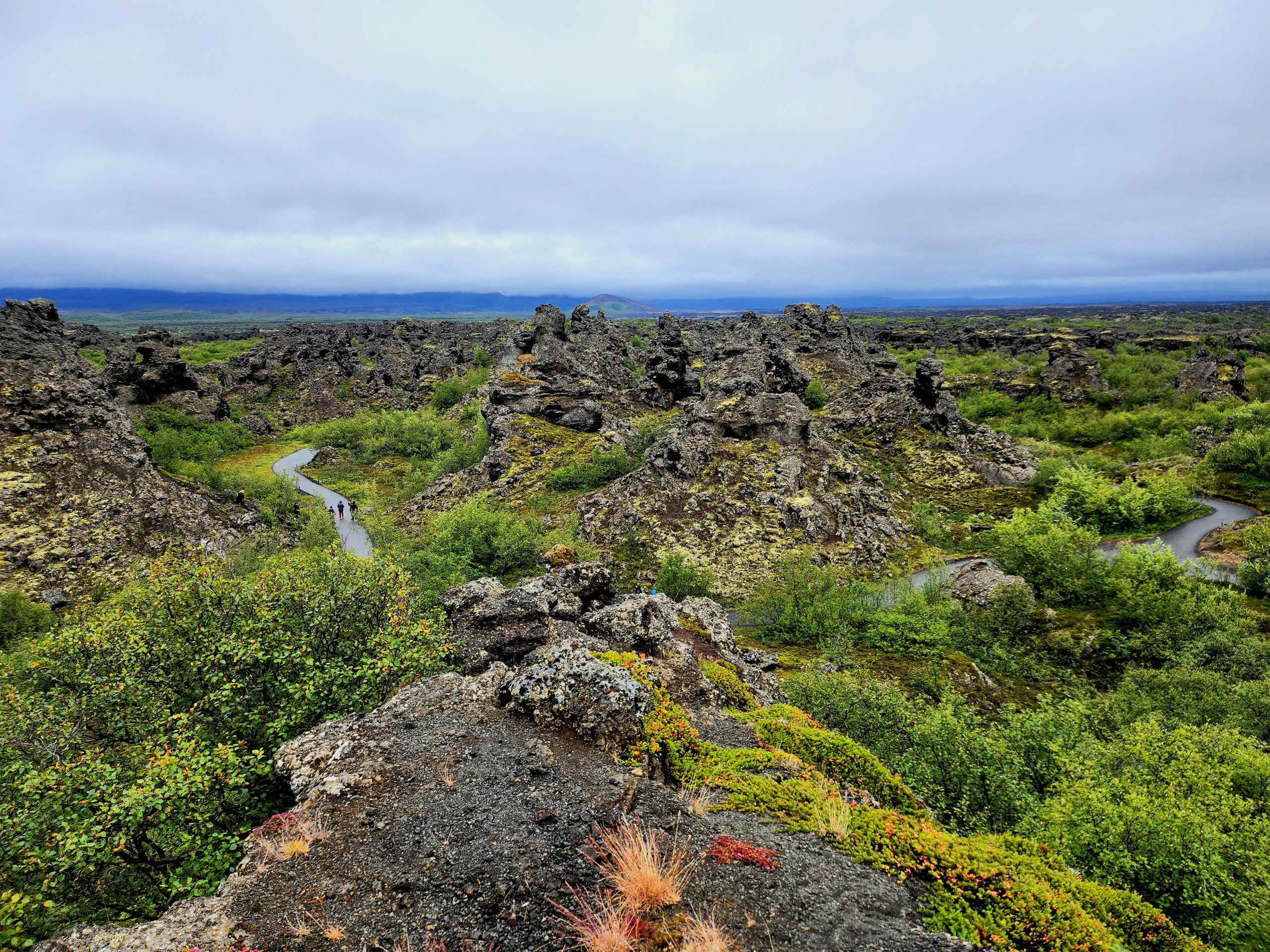
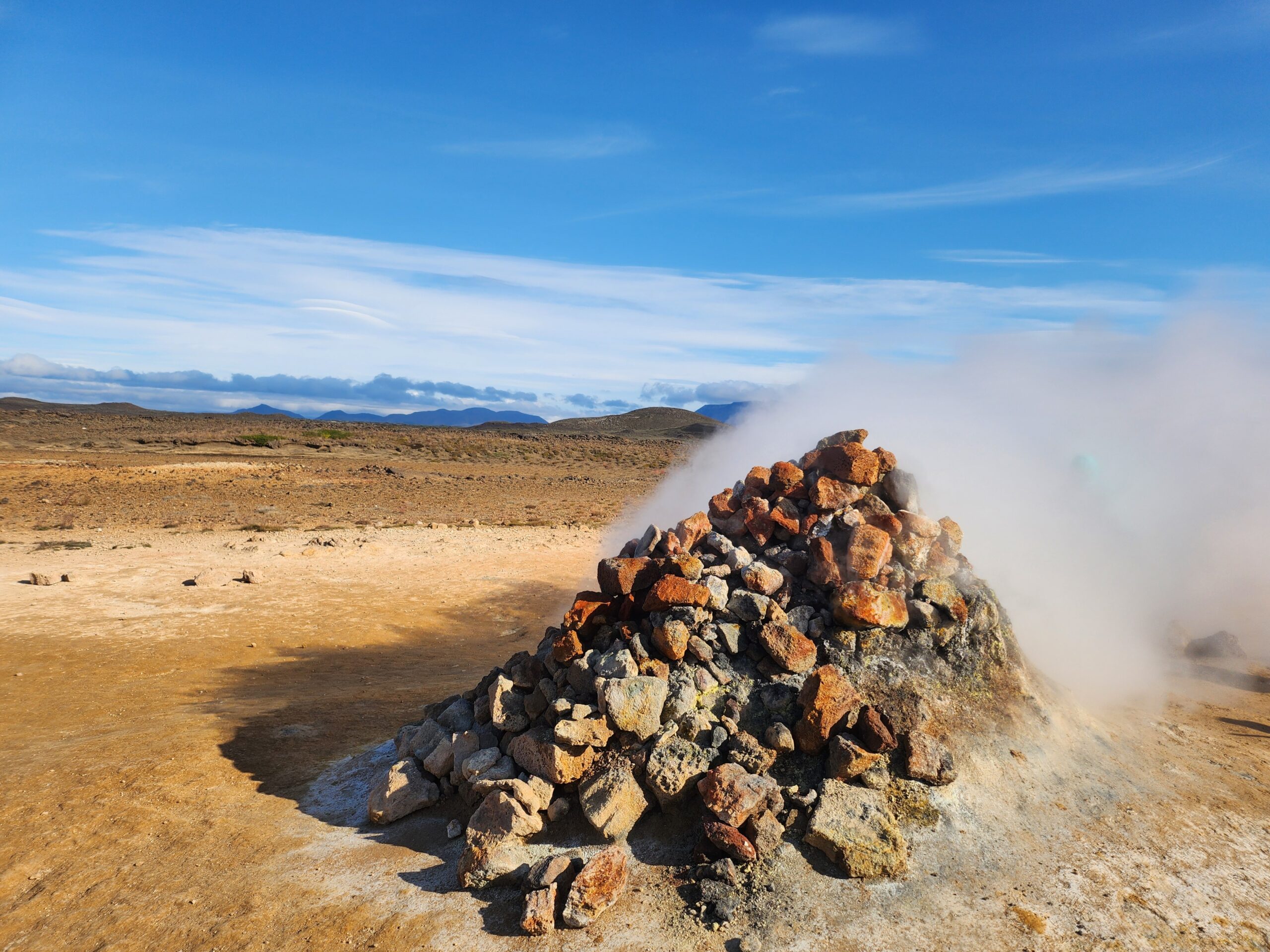
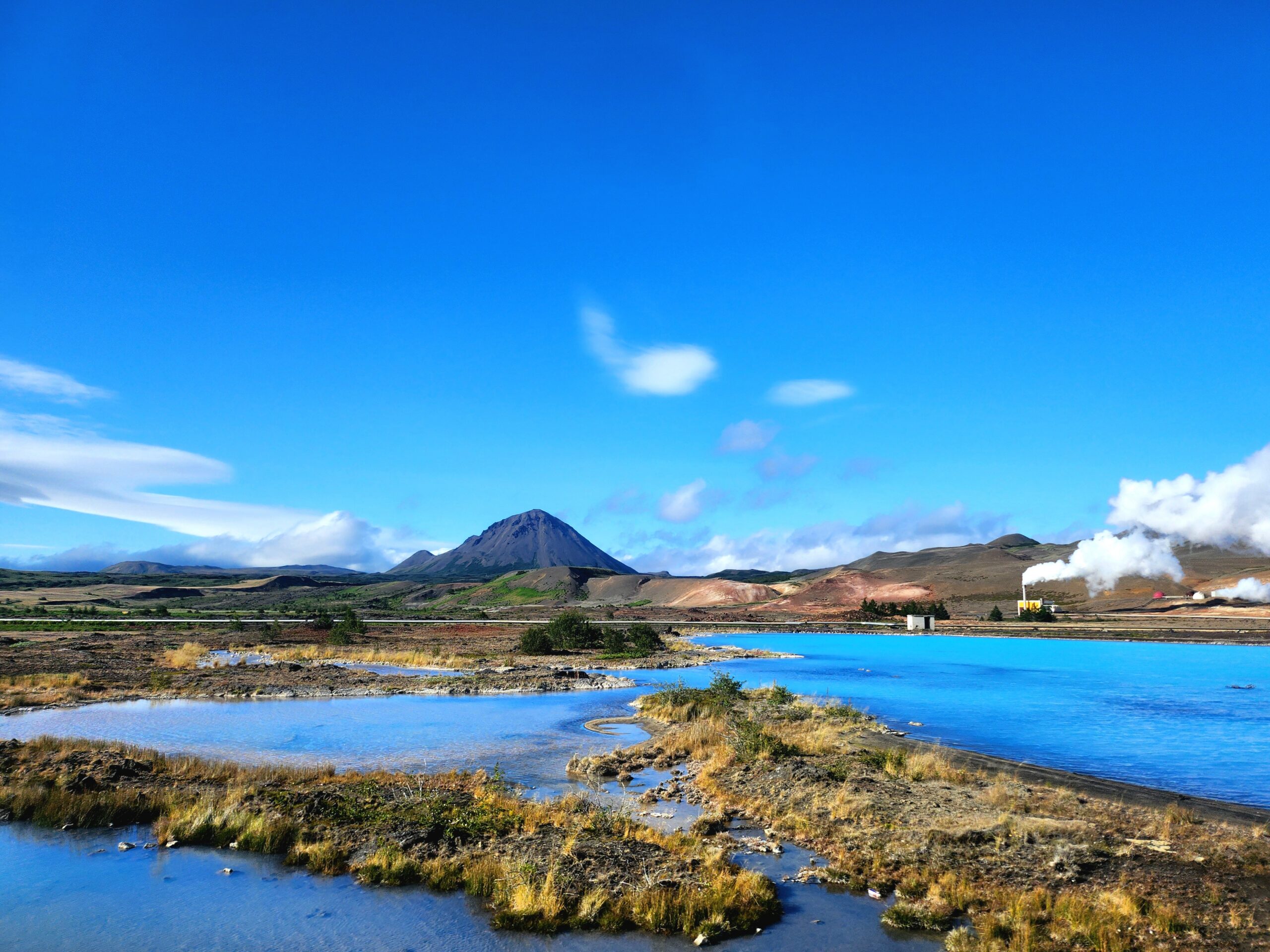
Forested Dimmuborgir lava field (top), Mars-like Namaskard geothermal area (middle), and this sky-blue lake (bottom) are all just a ten minute’s drive apart.
While on our Exploring Iceland small group tour, you can see all manner of diverse environments over the course of just a few days:
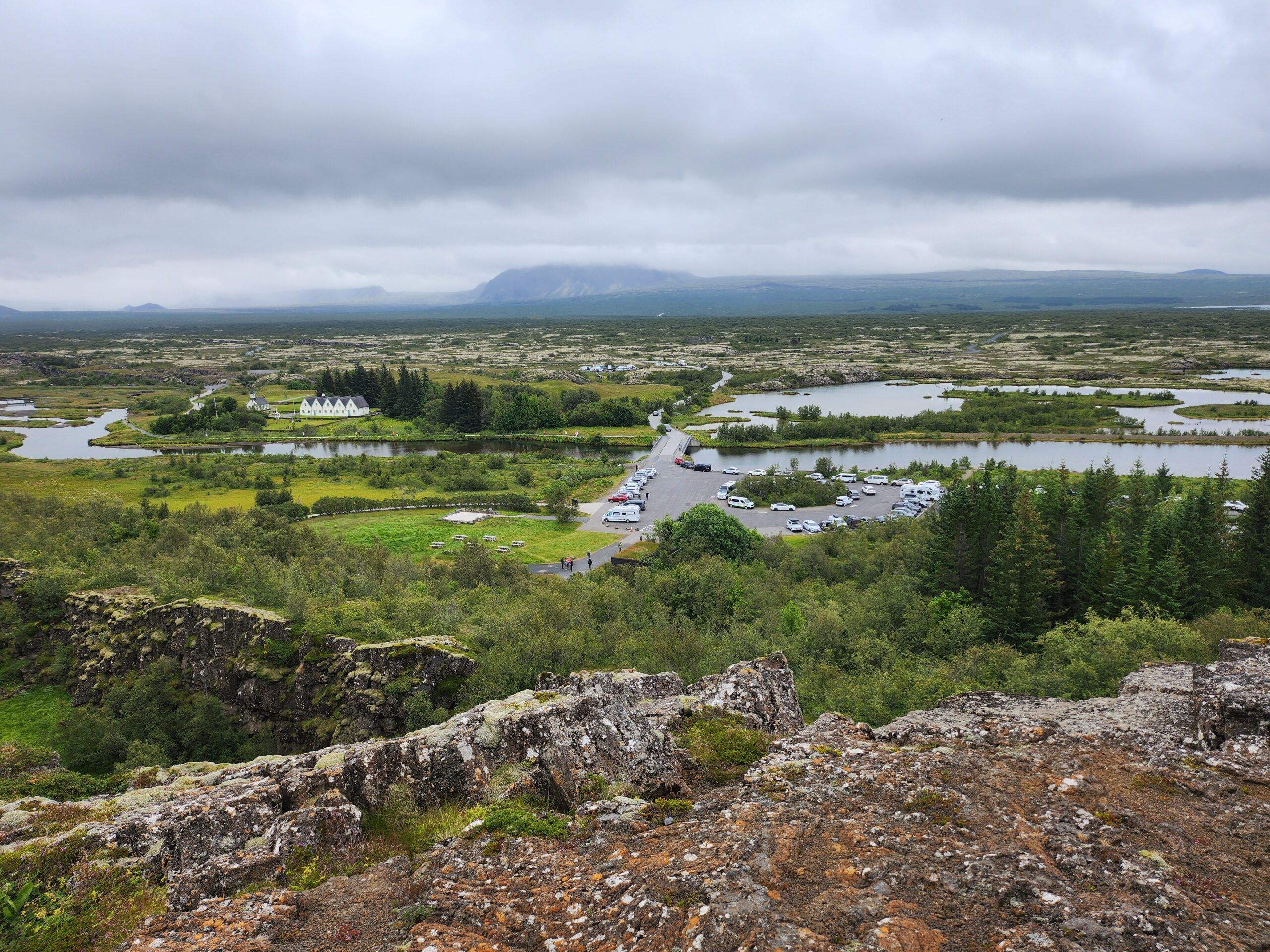
The view of the rift valley between the diverging North American and Eurasian tectonic plates in Thingvellir National Park, Iceland. This photo is taken from the North America side; the edge of the Eurasian plate can be seen as the dark line on the far mountainside.
On Day 9, we enter one of Iceland’s three national parks, where a true natural wonder resides: the rift valley between the diverging North American and Eurasian tectonic plates. Iceland is one of very few places on earth where this rift, called the Mid-Atlantic Ridge, is visible above sea level – and the best place in the world to clearly see and walk between two tectonic plates.
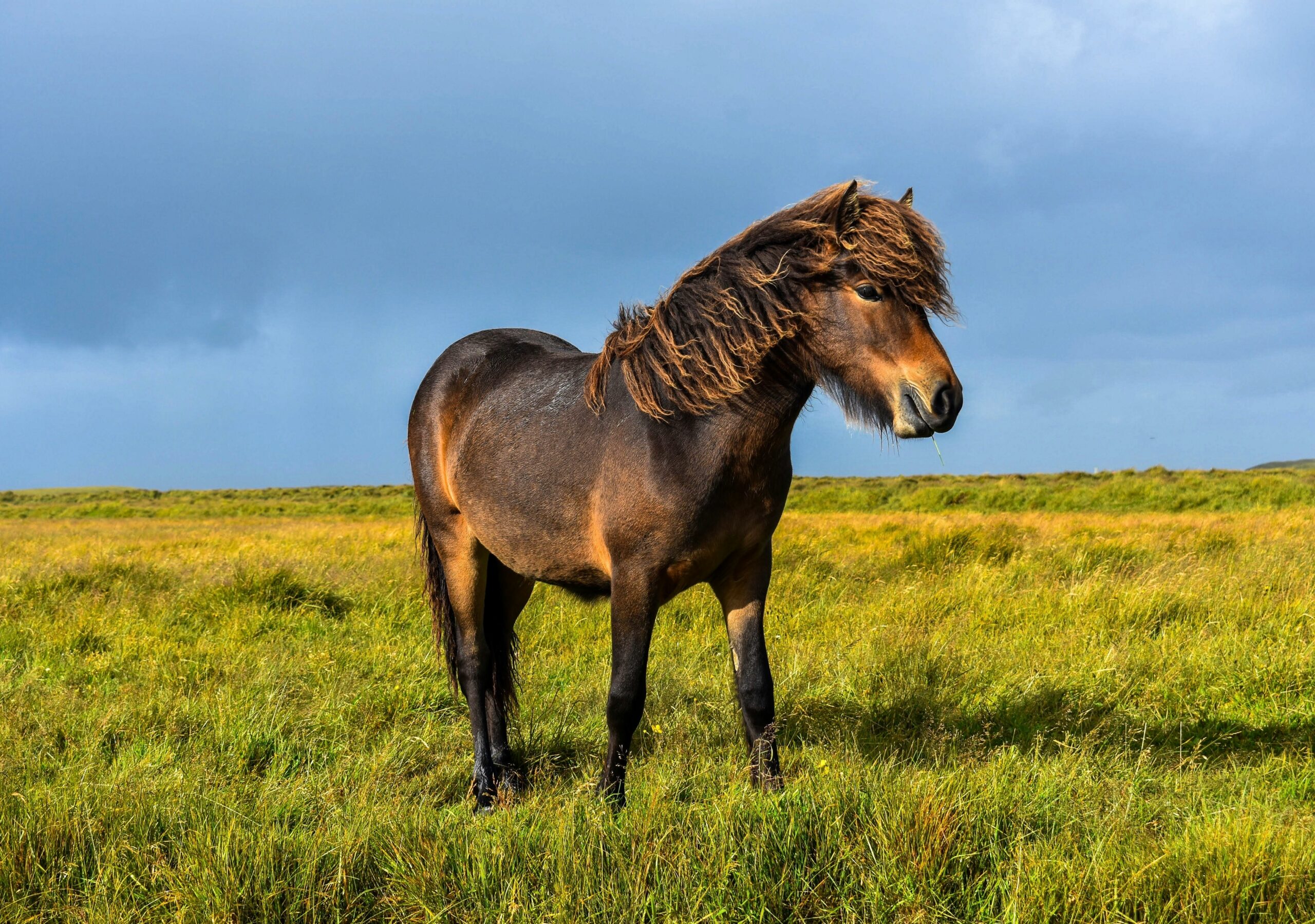
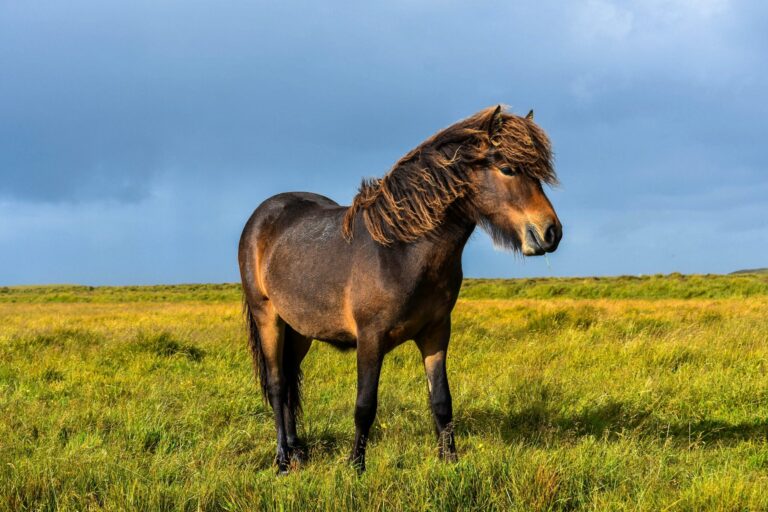
The Icelandic horse is among the most isolated breeds in the world, boasting over a millennia of complete genetic isolation.
Iceland is the sole home to a very special animal: the Icelandic horse. Originally brought to the island by Vikings over 1,000 years ago, this hardy breed is meant mainly for riding and is especially well-equipped to cover Iceland’s rough terrain via its five distinct gaits. While most horses have just three innate gaits (the walk, trot, and canter/gallop), Icelandic horses are born with two additional ones:
On Exploring Iceland, we visit a horse farm where we are given a demonstration of the gaits of the Icelandic horse.
In terms of wildlife, only one native land mammal inhabited the island prior to human settlement: the Arctic fox. Otherwise, the only other wild land mammals are reindeer, mink, rabbits, and mice.
Additionally, some 388 bird species migrate to Iceland, making it an excellent destination for birdwatchers, especially due to the density of the flocks during breeding season. Of the most beloved and sought-after species is the Atlantic puffin, and some 60% of the entire world’s population nest in Iceland. On spring through mid-August departures of Exploring Iceland, we see thousands of seabirds – including puffins – on their nesting islands while cruising Iceland’s longest fjord, Eyjafjörður.
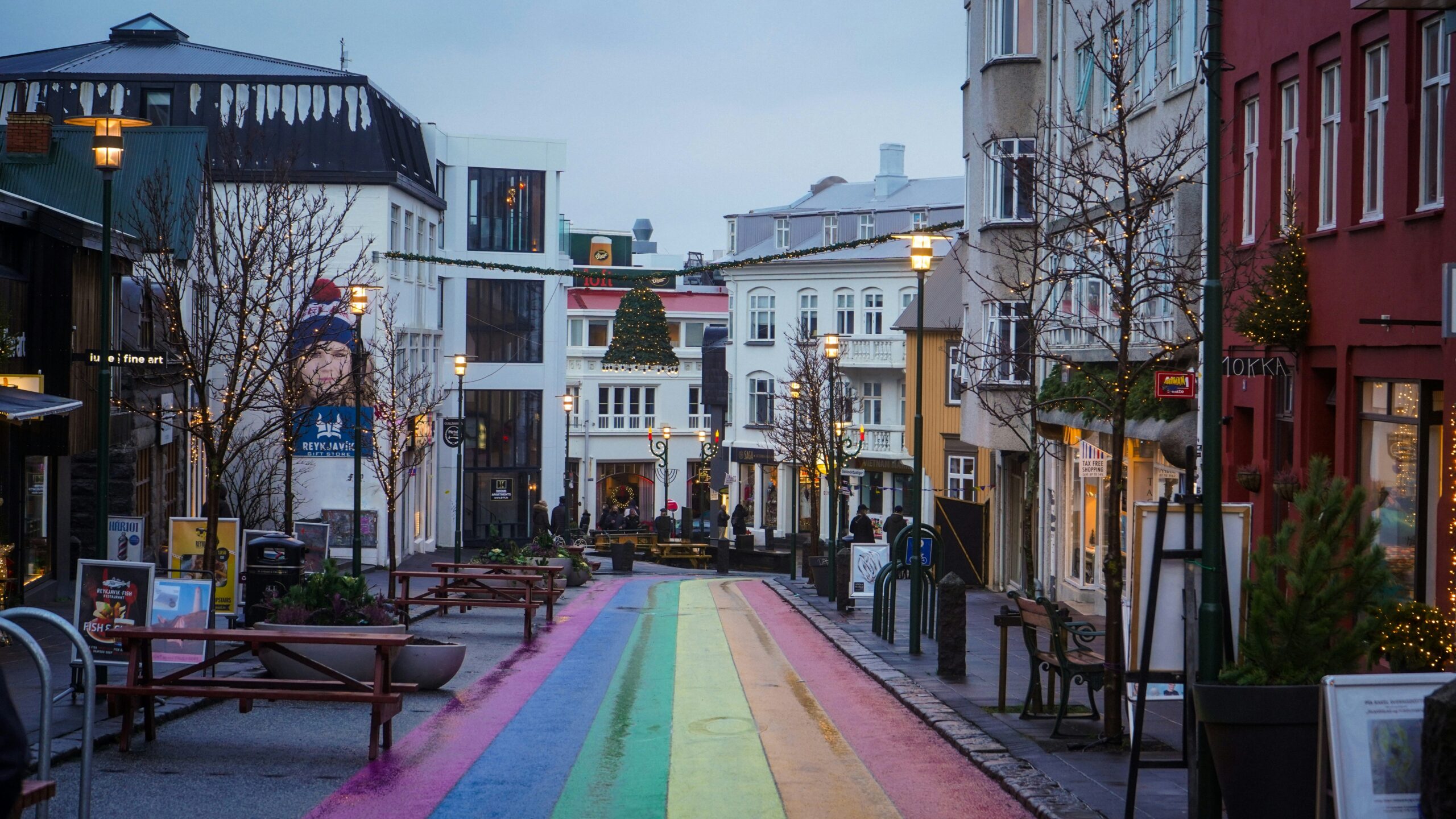
The Rainbow Street in Reykjavik, Iceland
Due perhaps in part to its remote location and small population (approximately 396,500 people as of 2026), Iceland fosters a uniquely peaceful and tight-knit society. It also acts as a world leader in literacy, safety, sustainability, and gender equality:
Iceland’s many unique aspects makes it an extremely special destination for travelers who wish to experience a land unlike any other. Join us on our Exploring Iceland tour to see and learn about all of the wonders of Iceland listed above for yourself; just give us a call or submit an online reservation request to save your spot today.
Share your great adventures with us on social media. Tag your pictures with #myodyssey and they may be featured on our website!


By using this website you are agreeing to our Cookie Policy.
