


As part of our commitment to supporting worthy causes around the world through our Charitable Giving program, we have built a longstanding relationship with the International Rescue Committee (IRC), a non-governmental organization dedicated to helping people who have been affected by humanitarian crises. The IRC represents the most significant of our Charitable Giving contributions, and we have been supporting this organization since the first year of our Charitable Giving program in 2018.
In this in-depth interview, we speak with Galina Khitrova, the IRC’s Senior Officer of Global Corporate Partnerships, to gain a full understanding of the important work that the IRC is conducting around the world. Galina joined us for an employees-only Zoom session in early June to provide an update on how our contributions are helping with the IRC’s mission, and in this exclusive interview, we dive even deeper into this topic.
Interested in learning more about the causes we support? Read our Q+A with Sam Icklan from Project Bread here.
Odysseys Unlimited: Let’s start with an overview of the International Rescue Committee. How long has it been in operation, what is the mission of the organization, where does the IRC operate, and who benefits from the work that your team does?
Galina Khitrova: The International Rescue Committee was founded at the call of Albert Einstein in 1933 to support refugees fleeing Nazi Germany. Since then, the IRC has expanded to help vulnerable people around the world. In 2025, we supported 20.5 million people, and while the scope of our work has grown, our mission remains unchanged: to help people affected by humanitarian crises to survive, recover and rebuild their lives. You can find out more about our work by visiting our website, rescue.org and our social media channels on Instagram, Facebook, LinkedIn and Bluesky.
OU: Talk to me about your role - what do you do as a Senior Officer of Global Corporate Partnerships?
Galina: I joined the IRC in 2022 after working for 10 years in performing arts fundraising. I’m deeply devoted to our mission, and proud to be a small part of this organization and to dedicate my skills and energy to making IRC’s important work possible.
My team works with corporate partners interested in supporting the IRC. My job is to develop relationships with these partners in a way that helps them reach their social impact goals and align with their employee community’s social responsibility preferences. The IRC performs a diverse range of work in many regions, and a big part of my job is to identify what slice of our programming speaks to the partner company’s passion.
I am motivated by working with like-minded people who are passionate about change, committed to the same principles that the IRC lives by, and whose determination and support help make tangible positive difference in our clients’ lives.
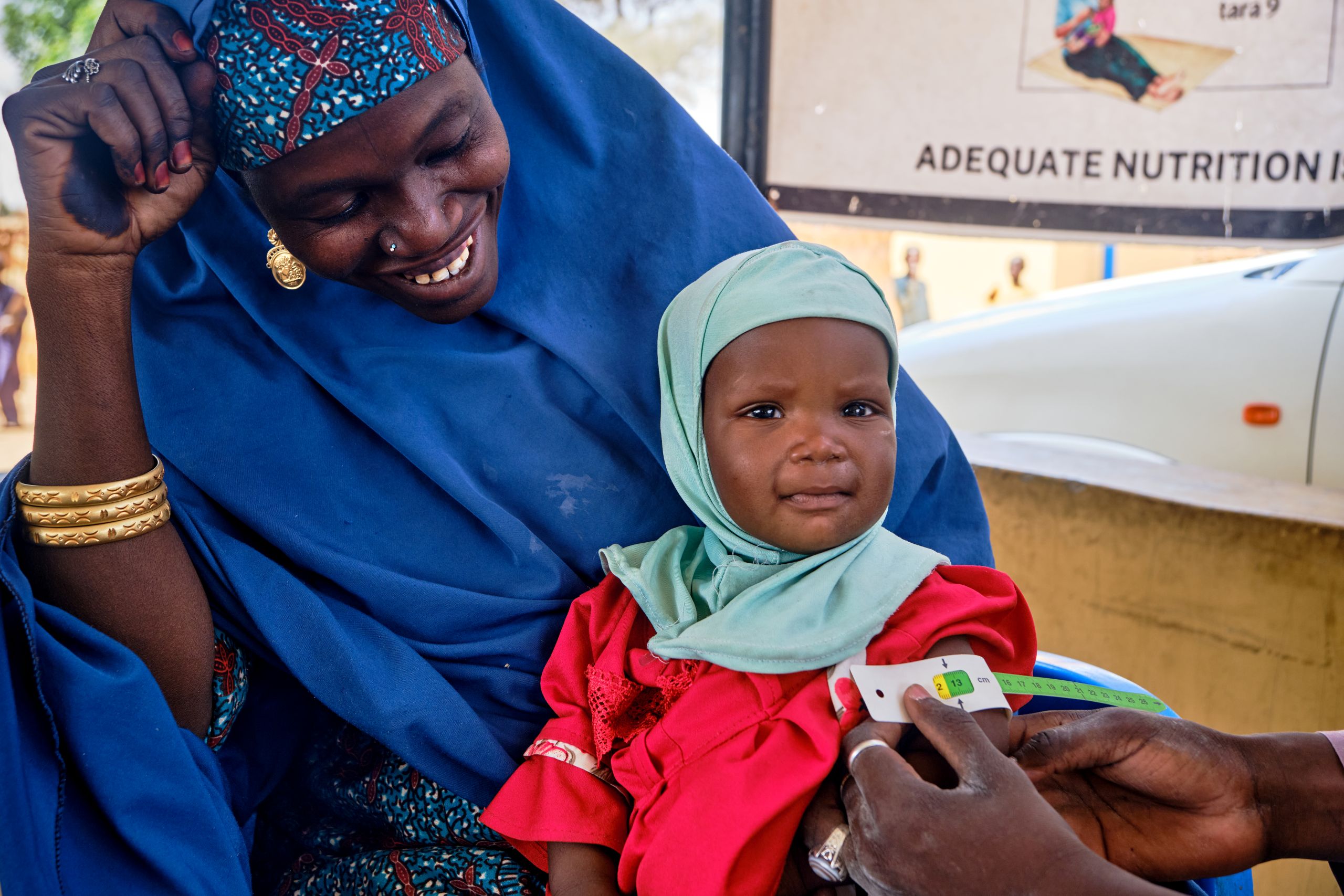
Nigeria: Halima Bukar, 30, regularly brings her one-year-old daughter Hauwa Bukar to the IRC’s Sida-funded outpatient therapeutic programme (OTP) clinic for malnutrition treatment and medical check-ups. Hauwa was previously diagnosed with severe acute malnutrition (SAM) but is now steadily recovering through the IRC’s health care services.
© International Rescue Committee
Photo: Karl Bergbom for the IRC
OU: At any one time, how many IRC teams are working in underserved and at-risk communities around the world?
Galina: We work in over 40 countries globally and 30 offices in the United States. Each of these programs contains teams that work on specific areas of support – health, education, immunization, nutrition, economic empowerment, and emergency response. There are hundreds of teams working directly with people in crisis every day. Behind them are many more colleagues in functions like communications, finance, technology and marketing, whose work helps make those frontline programs possible.
OU: With so many programs going on around the world, how does the IRC stay connected and coordinated on a day to day level?
Galina: Coordination happens at every level — from country offices led by Country Directors and senior leadership teams, to regional oversight, to our headquarters in New York. From my vantage point on the partnerships team, we benefit from strong internal communications and dedicated support teams that keep us informed about the work happening in the field, so we can represent this work accurately and bring it into our conversations with partners, without placing unnecessary demands on the program teams on the ground.
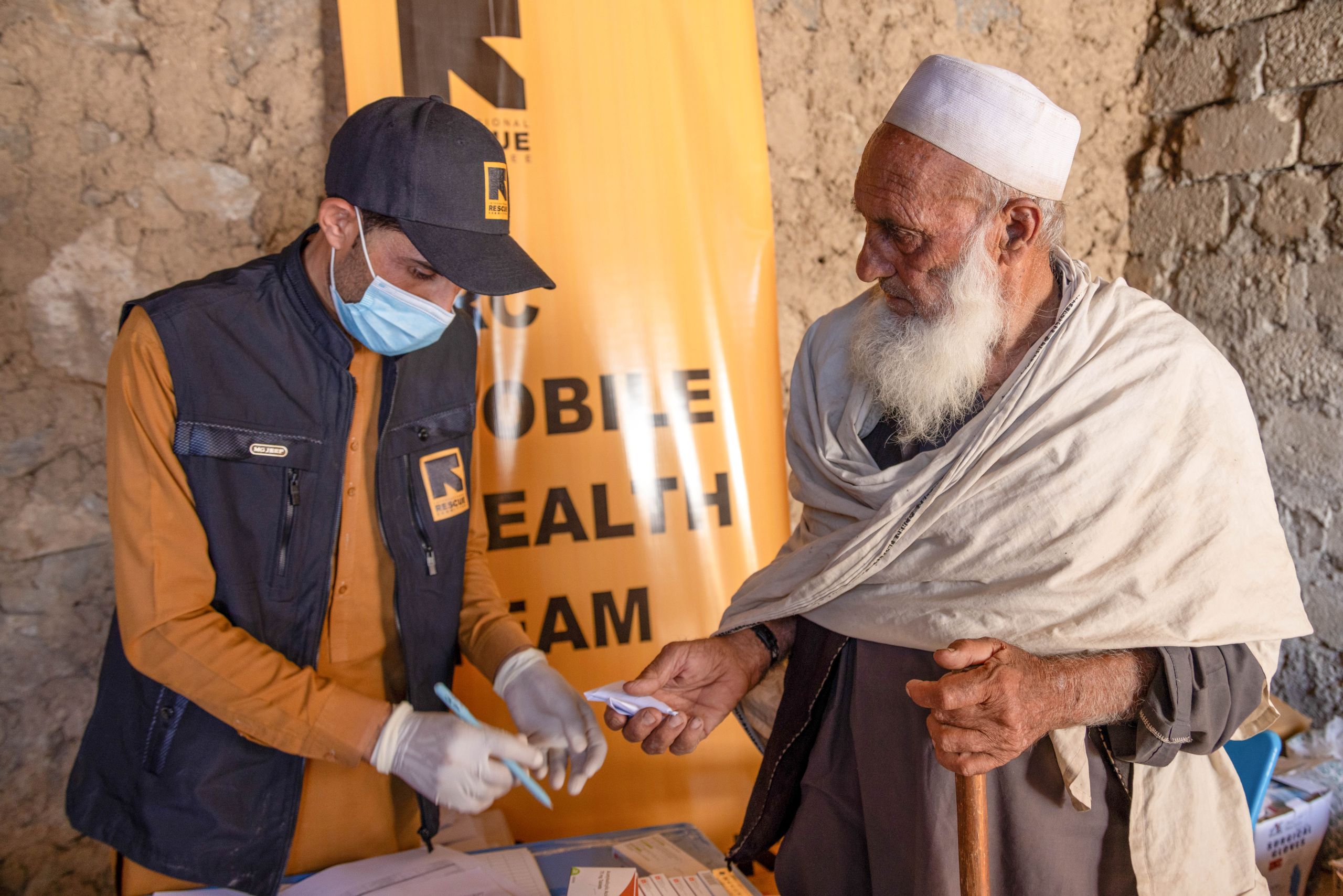
Afghanistan: Qader Mohammed (100 years old), a client from the affected community who got injured during the earthquake, getting medicine free of charge from the IRC clinic.
© The International Rescue Committee
Photo by Abdul Khaliq Sediqi for the IRC
OU: Where do you see the most opportunity to enhance the IRC's impact going forward?
Galina: We are always looking for ways to maximize our impact. Our Impact at Scale strategy identifies several key areas of impact based on our track record, expertise, reach and local partnerships. Right now, these key areas are nutrition, immunization, contraception, and cash distribution. We’re leaning into these areas to expand and deepen our impact with interventions that we know work very well and can positively affect many more people if scaled.
OU: When you think of your time at the IRC, is there a specific project or a person/family that sticks out to you as being especially meaningful or impactful?
Galina: One initiative that has stayed with me is our work to help secure and deliver ready-to-use therapeutic food (RUTF), a life-saving treatment for children suffering from acute malnutrition – an issue that I know is close to Odysseys Unlimited as well.
In many of the places where the IRC works, disruptions to the global supply chain can lead to shortages of RUTF, putting the treatment of thousands of vulnerable children at risk. Being able to bring together a group of committed corporate partners to help address that challenge, and seeing our partnership, program, and supply chain teams work together to get these essential supplies to the communities in Somalia, Chad, Niger, and the Democratic Republic of Congo that needed them most was incredibly meaningful.
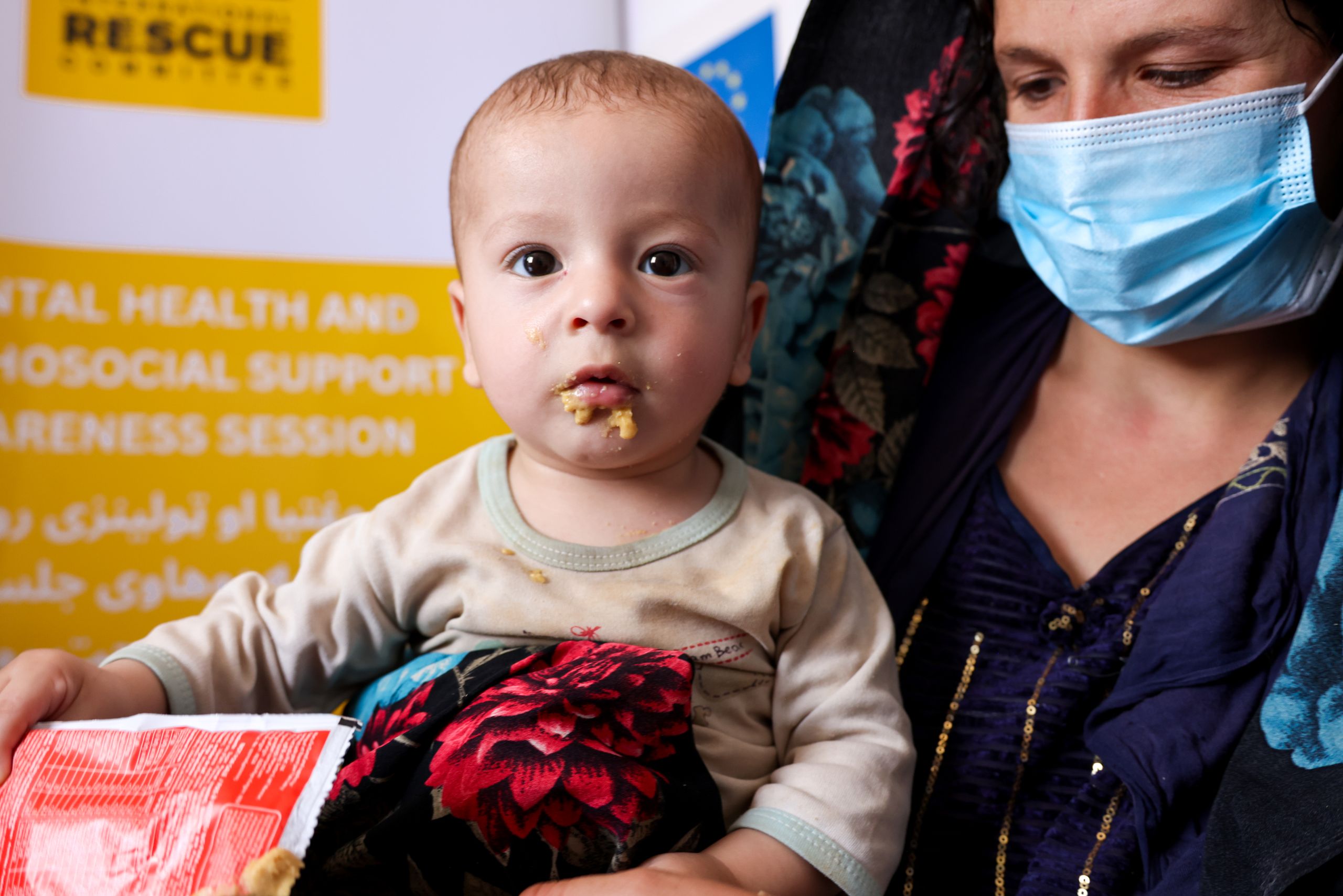
Afghanistan: Sahil’s mother Afsana feeds him RUTF (Ready-to-Use Therapeutic Food) nutritional supplements that she received as part of his treatment for malnutrition.
© International Rescue Committee
Photo: Abdul Khaliq Sediqi for the IRC
OU: How does Odysseys Unlimited’s partnership with the International Rescue Committee help your organization do what you do?
Galina: Odysseys Unlimited has been very generous in supporting the IRC in general, and specifically our emergency response programs. Support from Odysseys went toward response efforts in Gaza in 2023, Afghanistan following earthquakes Sept 2025, and the Middle East in April 2026 after hostilities broke out in February.
We hear a lot about “crisis fatigue” in the media, with so many highly visible and very painful events happening in the world, so having partners that stay the course and help our teams support those in need of urgent humanitarian assistance is something we all are incredibly grateful for.
OU: Right now, where are the handful of places where your resources are needed most? How can readers help?
Galina: As this article goes to press, our teams are on the ground in Venezuela, where twin earthquakes measuring 7.2 and 7.5 in magnitude struck on June 24th — the most powerful to hit the country in more than a century. The devastation has been immense, compounding a humanitarian crisis that was already severe: nearly 8 million people inside Venezuela were in urgent need before the earthquakes struck. Our teams are working with local partners to deliver emergency health care, hygiene supplies, and protection services to survivors, prioritizing the most vulnerable — children, women, people with disabilities, and those who have lost their homes.
Even as the rescue phase winds down, the needs will intensify. Displaced families are harder to reach, health facilities are overwhelmed, and the humanitarian response was already critically underfunded before this disaster. The IRC urges the international community — and individuals — to sustain their support for Venezuela and for communities facing crises around the world.
If you'd like to help, a gift to the IRC at rescue.org goes directly toward this work.
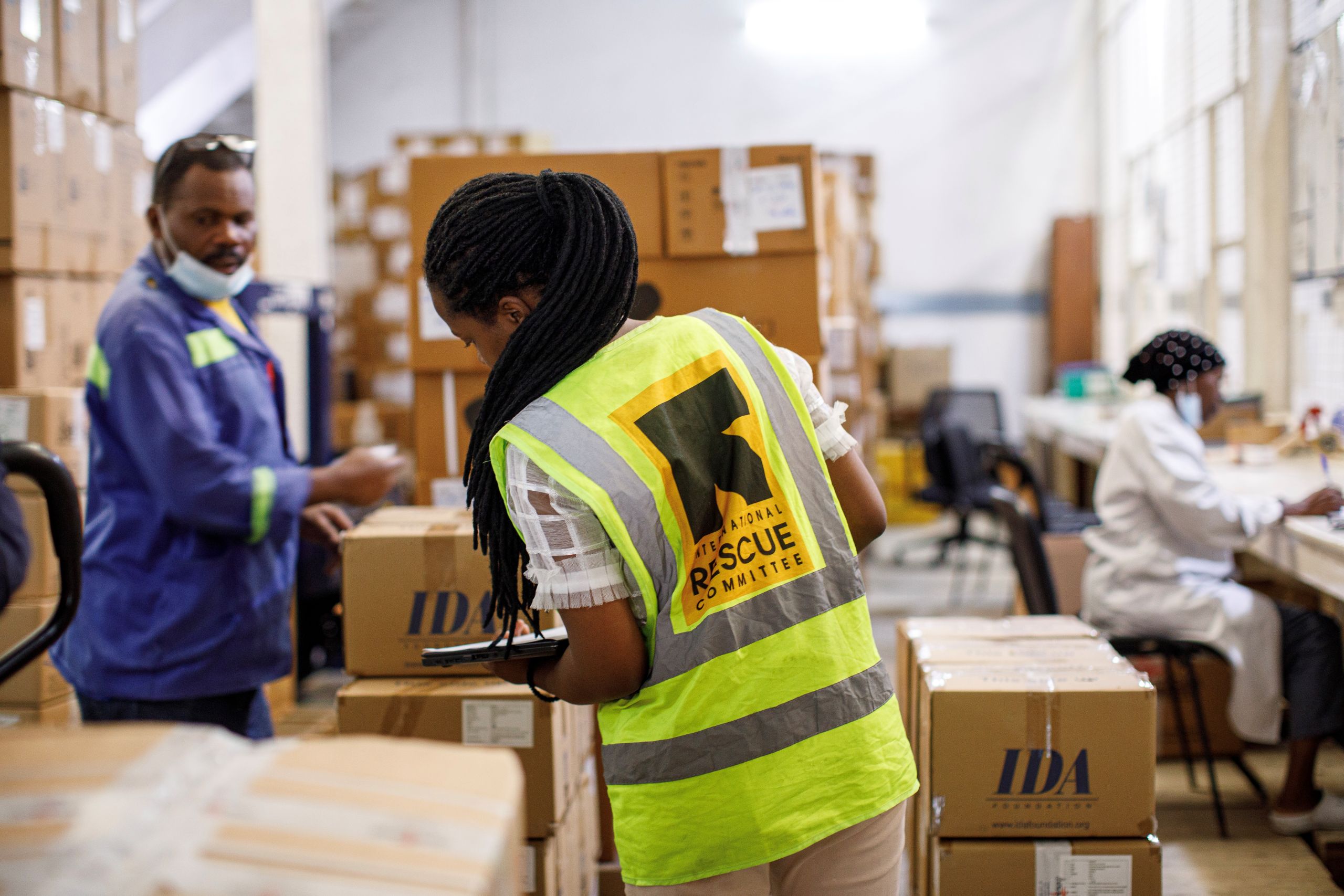
At the ASRAMES warehouse in Goma, DRC, IRC teams are packing IPC (Infection Prevention and Control) kits for delivery to Bunia to support health facilities in the prevention and control of Ebola infections.
© International Rescue Committee
Photo: Esther Kashemwa for the IRC
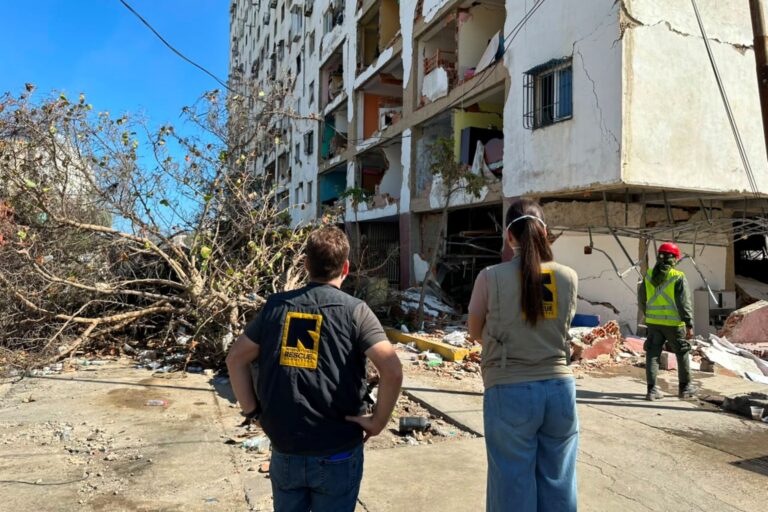
Top photo: IRC staff conduct a monitoring visit in La Guaira, one of the areas hardest hit by Venezuela’s twin earthquakes, nearly two weeks after the disaster struck. The IRC continues to assess needs and scale its response, including healthcare, water, sanitation, hygiene and psychosocial support services for affected communities.
© International Rescue Committee
Photo: ESanchez for the IRC
Share your great adventures with us on social media. Tag your pictures with #myodyssey and they may be featured on our website!


By using this website you are agreeing to our Cookie Policy.
