



Passport? Check. Itinerary? Check. Packing list? Check. But have you thought about international cell phone service?
Arranging phone service for overseas trips can seem overwhelming for even the savviest travelers. The good news is that a variety of possibilities exist to keep you connected while traveling. Check out our top recommendations – as well as some general tips – below.
Of course, availability to the below options may vary; we recommend confirming your options based on your destination(s), cell phone type, and service provider.
Airplane Mode: If your cell service plan does not include international roaming, make sure to activate Airplane Mode on your phone. By doing so, you will prevent potentially high data roaming charges. In this mode, your phone still has access to available Wi-Fi networks, but cell service, data, and roaming are turned off. Click the following links for instructions on how to turn on Airplane Mode on iOS and Android.
WhatsApp: Odysseys Unlimited Tour Directors are increasingly using WhatsApp, a Wi-Fi based communication app, to stay connected with guests while on tour. We recommend that Odysseys guests download the app prior to departure. As long as you have access to the internet, WhatsApp allows you to make calls, send messages, and share files with other WhatsApp users at no cost.

Depending on your carrier, you may have the option to use your current cell phone plan abroad. Ask your service provider if you have international data and cell service coverage included in your current plan.
For T-Mobile, Sprint, and Google Project Fi, for example, many plans include coverage for unlimited data in most countries. If your plan includes this feature, you would simply need to enable “data roaming” in your phone’s settings (here are instructions for how to do this for iPhone and Android).
For AT&T and Verizon, however, international service is often not included in cell phone plans and pay-per-use roaming rates can be costly.
Of course, we always recommend contacting your service provider directly to confirm what options are available to you, as plan information can vary.
If you are traveling to an area where public Wi-Fi is easily accessible (for example, at hotels, cafes, shops, and the like), you can use the internet to stay in touch with friends and family. A host of Wi-Fi-only communication options are available: Facebook Messenger, WhatsApp, Zoom, and Skype all have video call, voice call, and instant messaging capabilities. Apple users can also take advantage of iOS’s built-in apps Messages and FaceTime.
If you choose to rely solely on Wi-Fi while overseas, make sure to turn your phone’s Airplane Mode on to avoid roaming fees and download as many offline tools as possible. For example, Google Maps allows you to download area maps for offline use, and you should always save important documents, emails, articles, webpages, and anything else you may need to reference frequently to your phone. You can also install apps like Instabridge or WiFi Map to view maps of public Wi-Fi hotspots at your destination.

Another simple option – though usually more expensive – is adding international service to your current cell service plan. Many mobile providers also provide temporary international plans that are often similar to or the same as the plan you use at home. This allows you to use your phone abroad as you do at home (depending on the plan you choose).
Talk to your cell phone provider to see what kind of plans they offer. Note that major service providers are always competing to offer better international plans, so if your phone is “unlocked” and can be used with different carriers, it’s worth shopping around for the best deal.
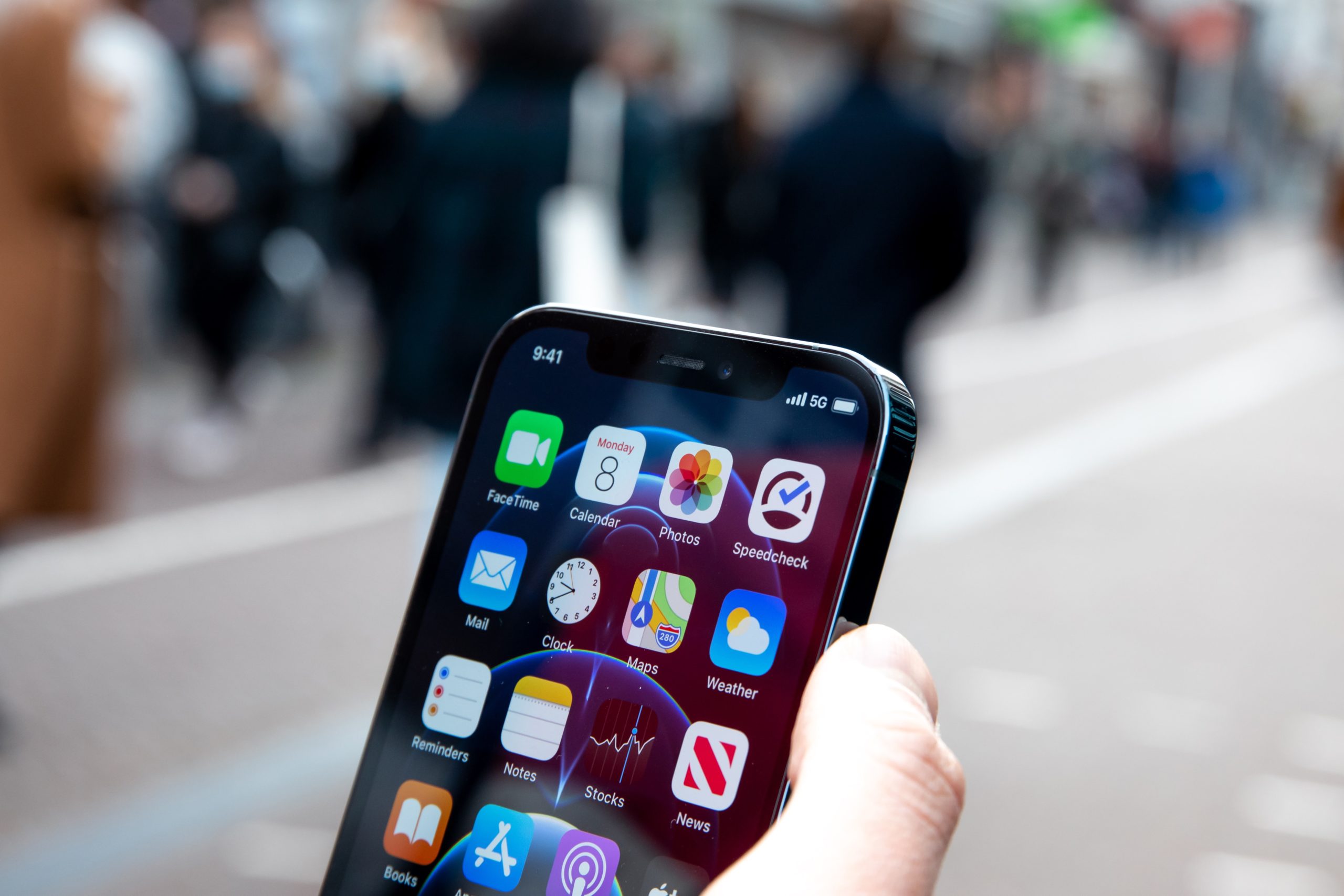
Many carriers now offer day- and week-long “data passes,” which provide (typically unlimited) international calling and texting along with a set amount of cellular data for a set period of time. Check with your service provider (and, if possible, shop around with other carriers) to see if this option is available to you.
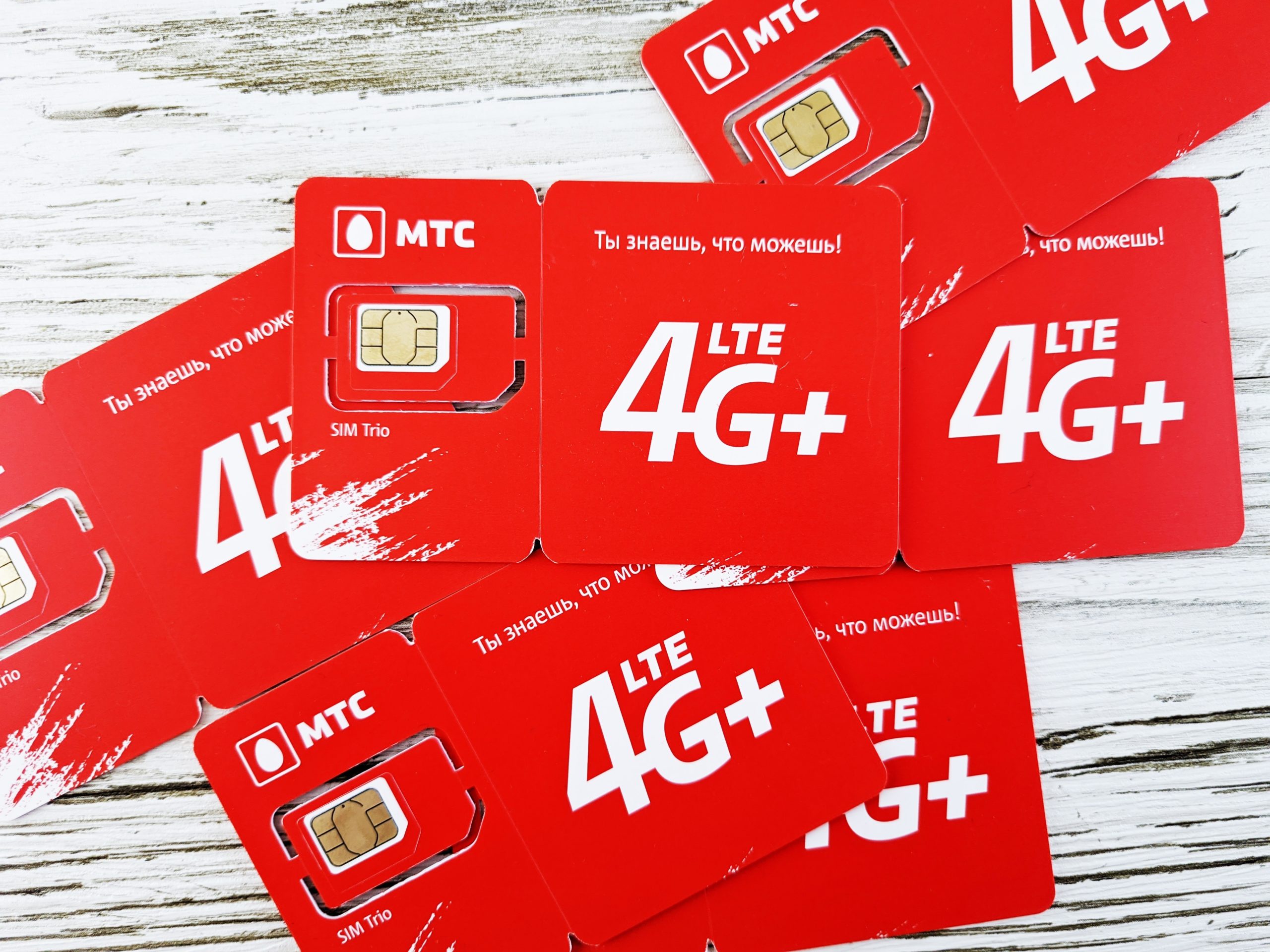
This option makes the most sense for travelers with an unlocked phone who do not want the hassle of dealing with cell carriers and public Wi-Fi networks. First, you would need to “unlock” your phone (if it is not already) so it can be used with any carrier (read this article for instructions). Then, you can simply swap out its existing SIM card or eSIM with one from a company such as OneSimCard, KnowRoaming, or Cellular Abroad or with one purchased from your destination country. Then, when you get back to your home country, simply revert back to your original SIM card or eSIM.

After signing up with a service such as the popular Rebtel or United World Telecom, you can make international calls using local phone lines with no contract or alternate SIM card/eSIM needed (similar to having a phone booth on your smartphone). The service is typically pay-per-minute and uses the cheapest rates available, resulting in easy and affordable access to cell service on-the-go. This option is especially useful for those who plan to primarily use Wi-Fi but would like the option to make calls using cell service without accumulating international roaming charges from their carrier.
Whatever your service needs are, solutions abound – and we hope you find the options listed here helpful in making a decision as you prepare for your journey abroad.
Share your great adventures with us on social media. Tag your pictures with #myodyssey and they may be featured on our website!


By using this website you are agreeing to our Cookie Policy.
