


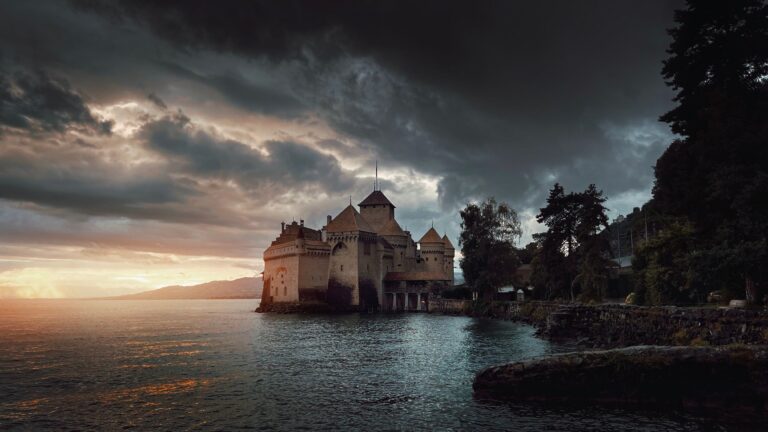
Ready to get spooky? As Halloween approaches, we’re focusing on five of the eeriest places we visit on our small group tours. From haunted Swiss castles to barren ancient battlefields to macabre chapels, these destinations prove that sometimes, the past isn’t content to stay buried…
Read on for five creepy destinations that we visit on our tours, and click the link to explore the full tour – if you dare.
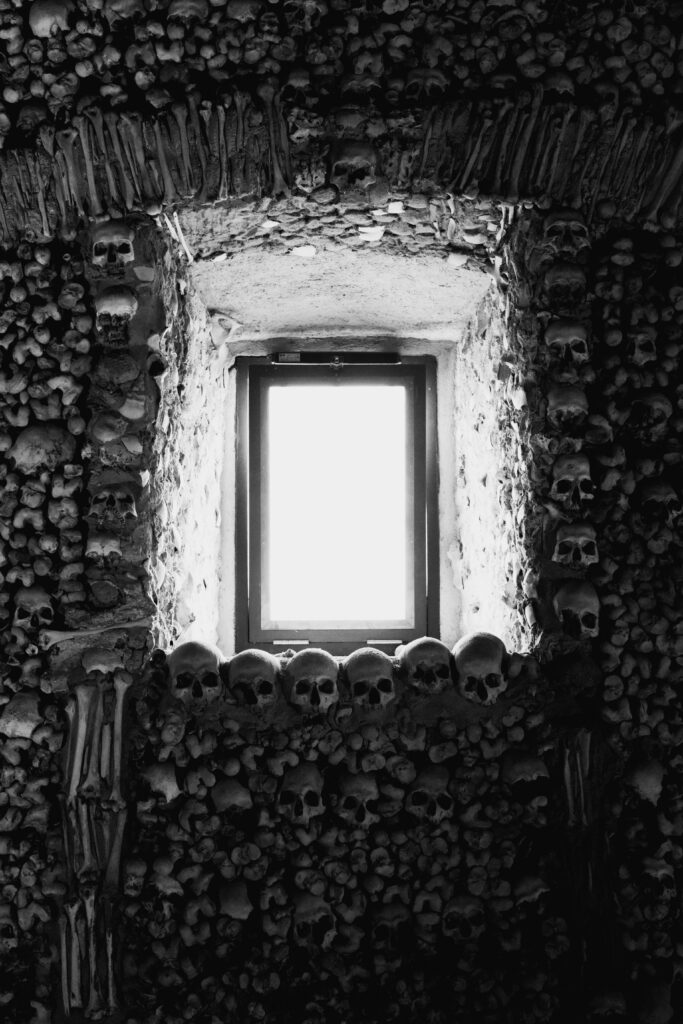
Photo credit: Miguel Alcantara via Unsplash
The Chapel of Bones | Evora, Portugal
Paradores & Pousadas | Discovering Portugal
Within the medieval town of Evora in Portugal’s interior sits a small sanctuary that ranks high on the list of the creepiest destinations in world tourism: The Chapel of Bones.
This chamber sits next to the larger Church of St. Francis, and its walls and ceilings are completely adorned with human skulls and bones. Dating to the early 17th century, the chapel was built by local Franciscan monks, who exhumed some 5,000 corpses from local cemeteries to create their unforgettable monument to human mortality.
Within the chapel hangs a poem said to be penned by one of the friars. A selection of his verse:
“𝘞𝘩𝘦𝘳𝘦 𝘢𝘳𝘦 𝘺𝘰𝘶 𝘨𝘰𝘪𝘯𝘨 𝘪𝘯 𝘴𝘶𝘤𝘩 𝘢 𝘩𝘶𝘳𝘳𝘺, 𝘵𝘳𝘢𝘷𝘦𝘭𝘦𝘳?
𝘗𝘢𝘶𝘴𝘦...𝘥𝘰 𝘯𝘰𝘵 𝘢𝘥𝘷𝘢𝘯𝘤𝘦 𝘺𝘰𝘶𝘳 𝘵𝘳𝘢𝘷𝘦𝘭.
𝘠𝘰𝘶 𝘩𝘢𝘷𝘦 𝘯𝘰 𝘨𝘳𝘦𝘢𝘵𝘦𝘳 𝘤𝘰𝘯𝘤𝘦𝘳𝘯 𝘵𝘩𝘢𝘯 𝘵𝘩𝘪𝘴 𝘰𝘯𝘦:
𝘛𝘩𝘢𝘵 𝘸𝘩𝘪𝘤𝘩 𝘪𝘴 𝘯𝘰𝘸 𝘣𝘦𝘧𝘰𝘳𝘦 𝘺𝘰𝘶𝘳 𝘦𝘺𝘦𝘴.”
Ready to visit this spooky setting? Explore our Paradores & Pousadas and Discovering Portugal tours to see the full breakdown of each itinerary.
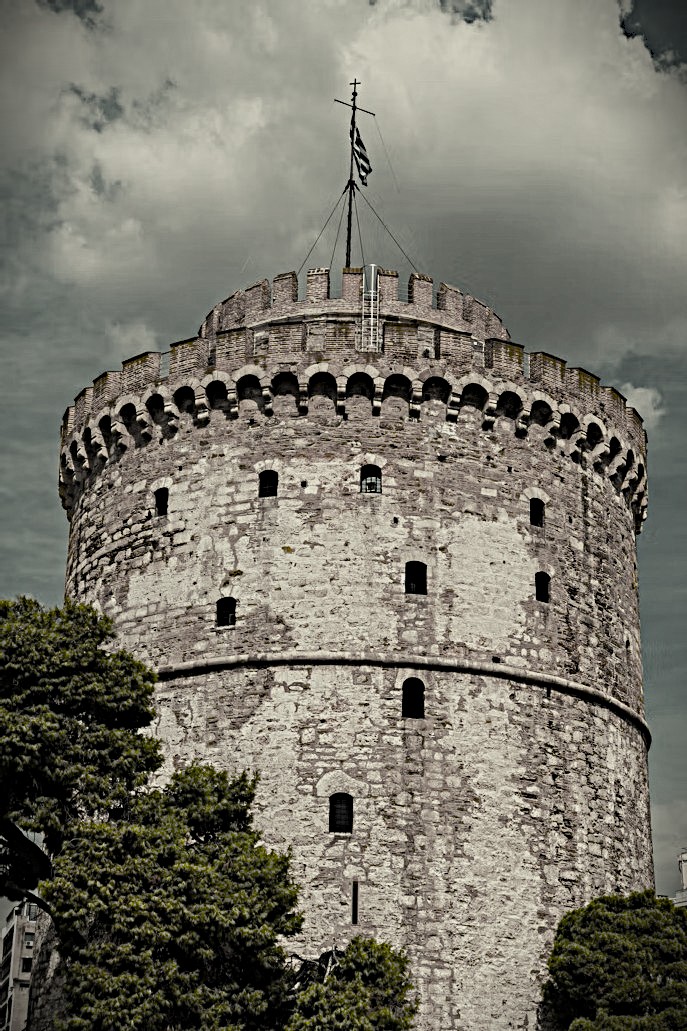
Photo credit: Andrey Nuraliev via Unsplash
The White Tower | Thessaloniki, Greece
Journey through Greece
In the ancient Grecian city of Thessaloniki, we find the forbidding White Tower, a coastal redoubt with a complicated history.
After conquering the city in 1430, the Ottomans erected this 100-foot tower for use as a fortress and troop garrison. Originally built to keep enemies out, the tower soon became infamous for locking people in. The Ottomans used the White Tower as a prison, and as more and more incarcerated souls met their demise within these walls, the structure acquired an informal title: “The Tower of Blood.”
After the Greeks won back Thessaloniki in 1912, the tower’s meaning shifted again, becoming a point of pride for the city and housing a museum chronicling Thessaloniki’s long history. We explore the tower and museum on our Journey through Greece small group tour.
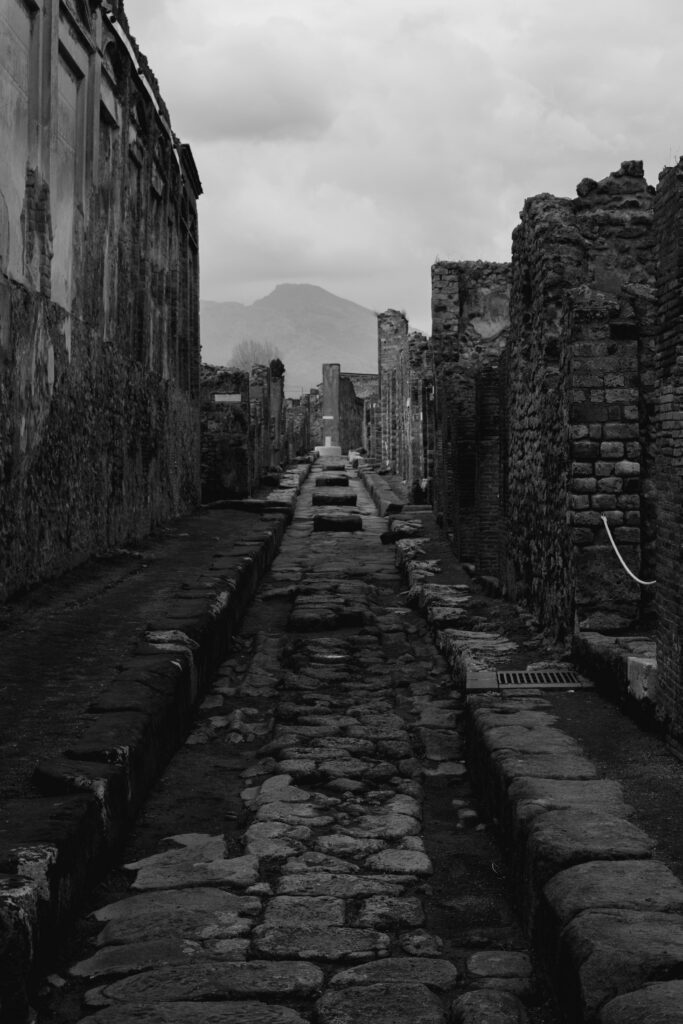
Photo credit: Balazs Gabor via Pexels
Pompeii | Campania, Italy
Portrait of Italy | Southern Italy & Sicily
Next on the list is history’s most famous ghost town: Pompeii, in the shadow of Mount Vesuvius.
In the decades after the turn of the first millennium, Pompeii was a wealthy suburban town of some 15,000 souls. That all changed in 79 CE, when Vesuvius erupted violently, sending waves of superheated rock, pumice, and volcanic ash surging towards the unlucky hamlet.
In a matter of hours, Pompeii was entirely buried under 20 feet of ash. Thousands were unable to escape the blast and perished where they stood. The ash preserved much of the town exactly as it was at the moment of the eruption, and when explorers began to systematically uncover Pompeii in the 18th century, their efforts set the stage for modern archaeology.
During both our Portrait of Italy and Southern Italy & Sicily tours, we visit this haunting site, where lavish homes, businesses, decorative frescoes, and even the plaster molds of some unlucky victims remain in much the same state as they were when they were buried nearly two millennia ago.
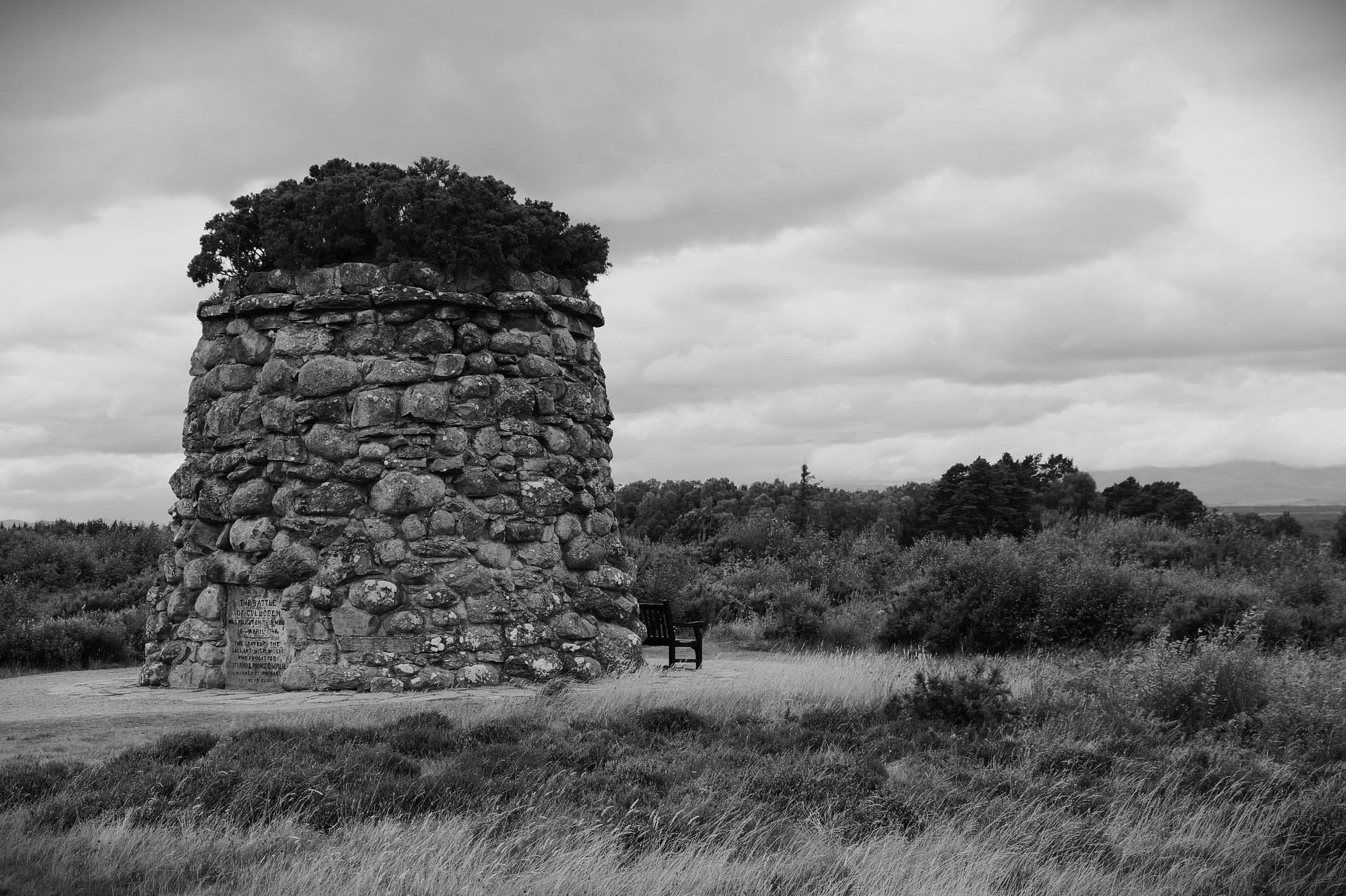
Photo credit: Ephraim Stochter via Pixabay
Culloden Moor | Inverness, U.K.
Scotland: Highlands and Islands
During our tour near Inverness in the Highlands of Scotland, we pay a visit to Culloden Moor, the windswept plain where an immense rock cairn pays homage to one of the bloodiest days in the long history of conflict between Scotland and England.
During the Jacobite Rising of 1745, Charles Edward Stuart (famously known as Bonnie Prince Charlie) swept up support from several Highland clans and made a bid to win the British crown back for the supporters of the exiled Catholic King James VII. The movement gained momentum during the summer of 1745, as Charlie and his supporters pushed as far as Derby in central England before returning to Scotland.
But only a few months later, on April 16, 1746, the Jacobite cause was shattered forever in what has gone down in history as the last pitched battle on British soil and among the most infamous victories in British military history.
Already weary and low on supplies, Bonnie Prince Charlie and his supporters were routed. More than 1,000 Highlanders lost their lives in less than an hour. To this day, headstones marking the clan names of the deceased still dot the moor, joining the stone cairn as the lonely markers of a fallen rebellion. Feel the history of Culloden Moor on Scotland: Highlands and Islands.
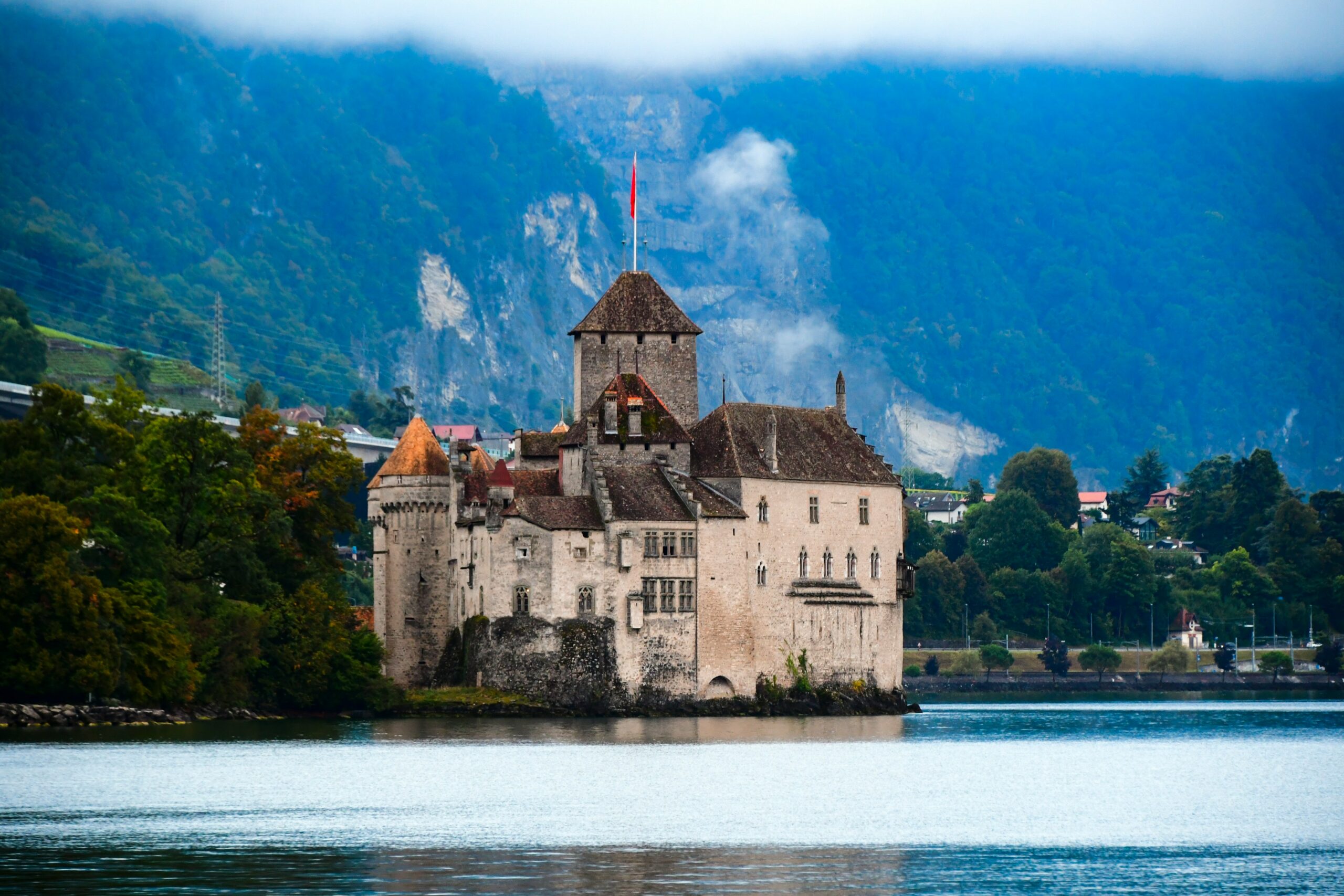
Photo credit: SnapSaga via Unsplash
Château de Chillon | Lake Geneva, Switzerland
Majestic Switzerland
There are seven pillars of Gothic mould
In Chillon’s dungeons deep and old.
There are seven columns, massy and grey,
Dim with a dull imprison'd ray,
A sunbeam which hath lost its way.
With these chilling lines at the outset of his 1816 epic poem “The Prisoner of Chillon,” English poet Lord Byron cemented the haunting legacy of this centuries-old Swiss fortress, which served as the longtime headquarters of the Duchy of Savoy. On the final day of our Majestic Switzerland tour, we explore this lakeside castle, which is well known as one of Europe’s eeriest edifices.
The story of Francois Bonivard’s imprisonment here takes top billing among fans of spooky history, as it was the inspiration for Lord Byron’s poem. Bonivard was a local priest and member of a well-connected Genevan family. After the Duchy seized his family’s property, Bonivard threw his weight behind Geneva’s patriots who supported a rebellion against the Duchy. His efforts were in vain, and he was thrown into the dungeons of the Château de Chillon – chained to a stone pillar, in Lord Byron’s fictionalized account.
Bonivard lived in captivity for four years, and said that his dungeon pacing wore a groove into the stone floor. And although he lived long enough to be freed, some say that a part of his soul never truly left the dungeons.
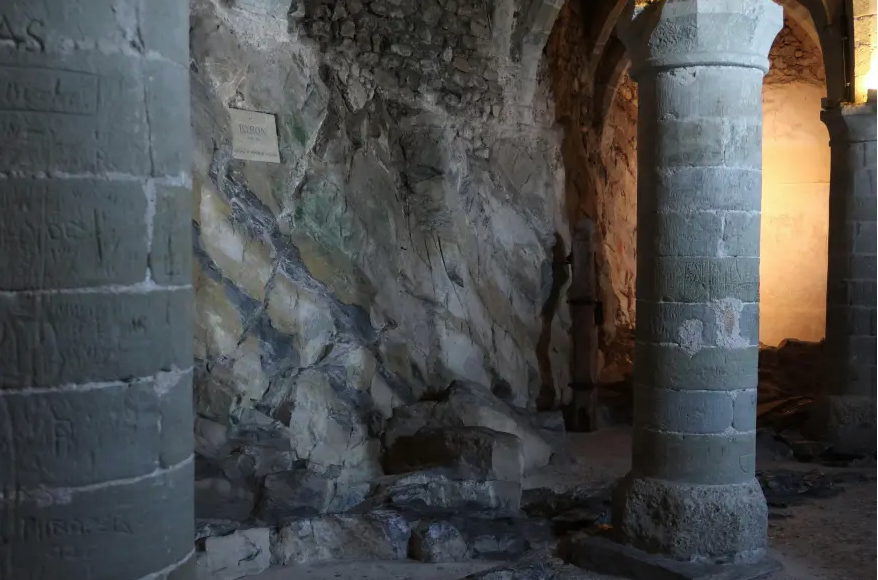
Photo: Swissinfo.ch
Lord Byron visited the castle and carved his name into a dungeon pillar in June of 1816, during a summer trip that had far-reaching consequences for fans of Gothic storytelling. Alongside Byron were his personal physician John William Polidori, English poet Percy Bysshe Shelley, and Shelley’s lover Mary Godwin (later Mary Shelley). A summer of grim weather sparked by a massive volcanic eruption in Indonesia forced the group to remain indoors. To pass the hours, Byron proposed that each member of the party pen a ghost story.
The result? John Polidori took a discarded story fragment from Lord Byron and turned it into The Vampyre, the blueprint for Bram Stoker’s Dracula and a foundational text in vampire fiction. And Mary Shelley developed a nightmare into Frankenstein; or, the Modern Prometheus – one of the most famous horror stories ever written.
Beyond Bonivard and Byron, the Chateau echoes with centuries of fearful happenings. During the Black Death in the 14th century, the rulers of the castle began looking for scapegoats for the plague, claiming victims at a terrifying pace. Local Jewish families were persecuted, imprisoned, and put to death, blamed for poisoning the water supply and starting the plague. In the 16th and 17th centuries, so-called “witches” were interrogated, tortured, and executed in the castle dungeons. And centuries of prisoners were sent to the oubliette, a vertical prison shaft meant as a final step for anyone that the castle rulers wanted to forget.
Multiple ghostly legends surround the castle. Visitors have told tales of a ragged, spectral prisoner pacing the dungeon floors. The ghost of a noblewoman looking for her lost child is said to inhabit the shoreline near the castle. Plus, sudden sounds and unexplained temperature drops have become common occurrences for both visitors and staff members alike.
Of course, our visits to the castle take place during the middle of the day, alongside a group of fellow travelers and under the guidance of our expert Odysseys tour director, so those more sensitive souls have nothing to fear during our touring. But even during broad daylight, the Château de Chillon gives off an unmistakably spooky energy.
If you’re ready to add one of these eerie experiences to your travel list, explore our full complement of tour offerings here, or give us a call or submit an online reservation request for any of the small group journeys detailed above. We’d love to help you explore the world.
Top photo: Sanat Anghan via Pexels
Share your great adventures with us on social media. Tag your pictures with #myodyssey and they may be featured on our website!


By using this website you are agreeing to our Cookie Policy.
