


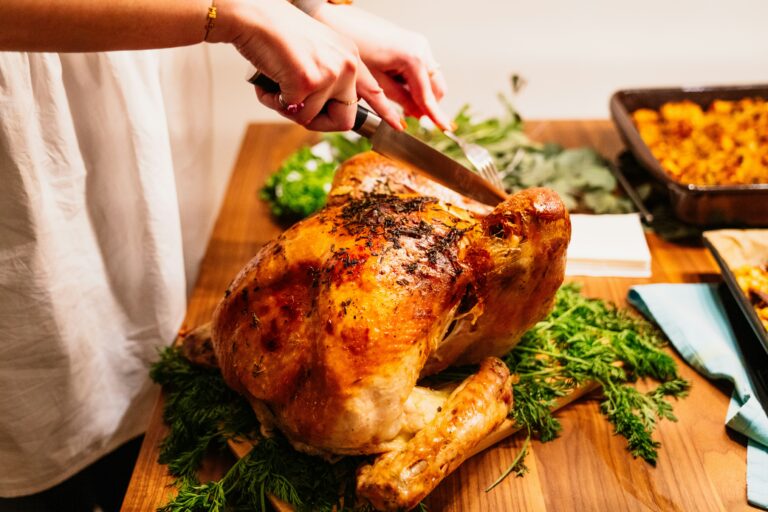
Fall is a time of transition. In much of the world, it’s when the deep greens of summer give way to the reds, oranges, yellows, and browns of changing autumn leaves. Fall brings with it the end of harvest season, offering one last respite before the long winter. And since the dawn of human civilization, it’s been a time to take stock and give thanks for all that we have.
From Thanksgiving in the U.S. and Canada to Erntedankfest in Germany to Mid-Autumn Festival in East and Southeast Asia, different cultures around the world have their own ways of honoring the harvest season and expressing gratitude for nature’s many bounties. Scroll down to read about eight unique harvest festivals from around the world.
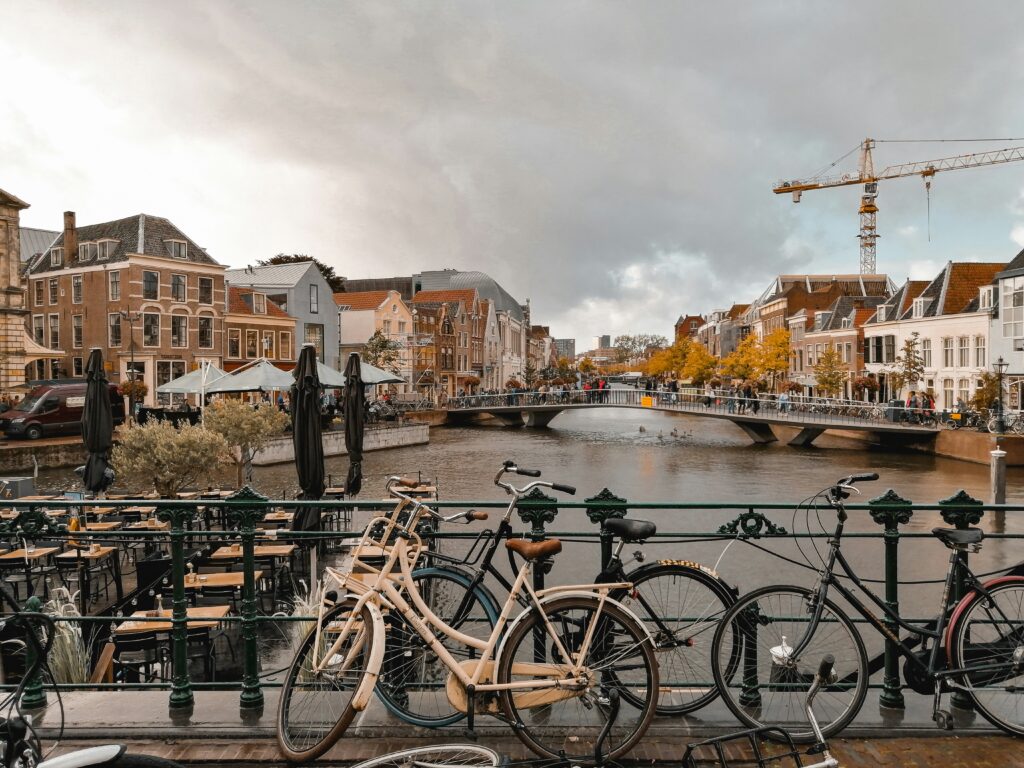
The city of Leiden today
When the Pilgrims left England in 1608, they didn’t sail for the New World right away. Instead, they first fled to the Dutch city of Leiden in search of religious freedom and employment opportunities. While they mostly kept to themselves during the decade they spent there, the Pilgrims did pick up one local tradition: Leidens Ontzet. This hyper-local feast holiday is still celebrated every year in Leiden to commemorate the end of a Spanish siege of the city on October 3, 1574. Today, many historians believe it’s this very celebration that inspired the Pilgrims’ autumn 1621 feast with the Wampanoag people – the occasion that we recognize as the first Thanksgiving.
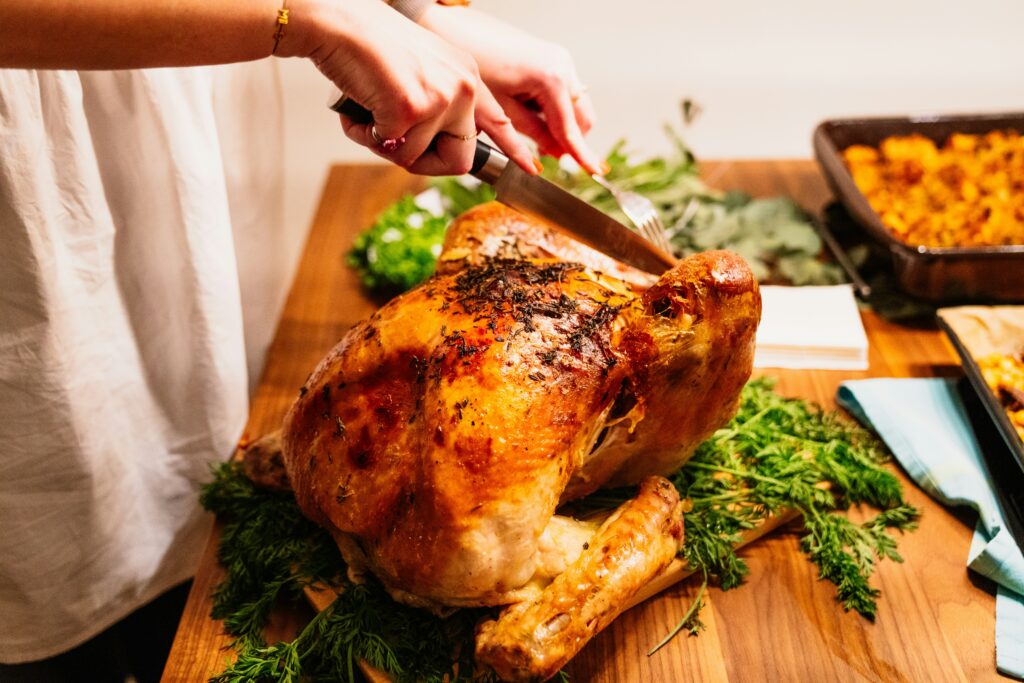
Traditional turkey dinner
Much like Americans celebrate Thanksgiving every November, our neighbors to the north have their own version of the holiday. And while both holidays typically revolve around roast turkey and football, they differ in significant ways.
First of all, while American Thanksgiving traces its origins back to the Pilgrims’ harvest feast with the Wampanoag, many believe the first Canadian Thanksgiving took place when English explorer Martin Frobisher and his crew held a formal ceremony to give thanks after successfully sailing to Canada from Europe. And since Canada’s Thanksgiving is tied to their earlier harvest season, Canadians celebrate Thanksgiving on the second Monday of October as opposed to the fourth Thursday of November here in the States.
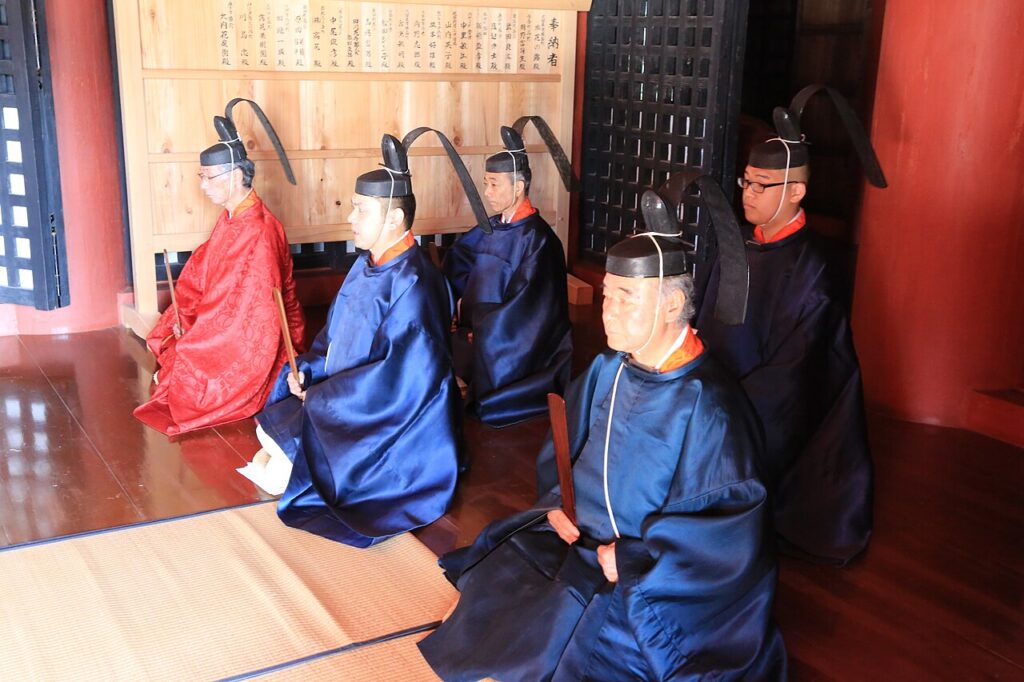
Niiname-sai harvest ceremony at Hikosan Shrine. Photo: 宗教法人英彦山神宮 / CC BY 4.0
Japan’s Kinro Kansha no Hi evolved from the ancient Shinto harvest festival of Niiname-sai, during which the Emperor offered the year’s freshly harvested rice to the gods as tribute. The holiday – also known today as Labor Thanksgiving Day – was officially established in 1948 under Japan’s postwar constitution, affording Japanese citizens a chance to celebrate labor and productivity, and to give thanks to one another.
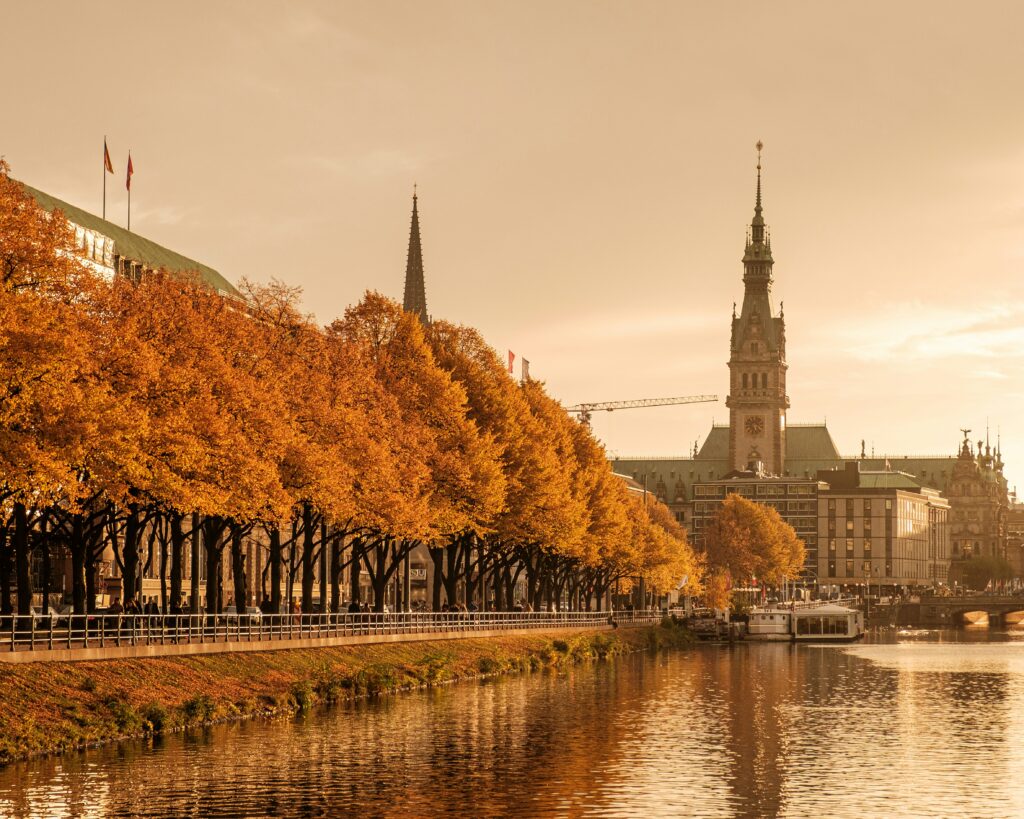
Hamburg, Germany
Europeans have long honored the harvest season with prayer, food, and widespread community celebration as a way to thank God for bestowing the earth’s bounty upon the people. While modern-day iterations of these celebrations enjoy close ties to Christianity, many have roots that trace back to ancient pagan harvest traditions, and Erntedankfest in Germany is no different.
Typically falling on the first Sunday in October (although exact dates can vary by region), Erntedankfest isn’t a national public holiday centered around a family feast like Thanksgiving, but rather a church- and community-based harvest celebration. The most prominent festivities typically happen in rural regions, with revelers participating in church services, fairs, parades, and farmers’ markets.

Red mooncake
Harvest festivals around the world enjoy close ties to lunar and lunisolar calendars, and throughout much of Asia, especially in Chinese communities, the Mid-Autumn Festival reigns supreme. Celebrated on the 15th day of the eighth month of the lunisolar calendar to coincide with the full moon, the Mid-Autumn Festival – as well as related regional holidays Tết Trung Thu (Vietnam), Chuseok (Korea), and Tsukimi (Japan) – marks the end of the autumn harvest season, ushering in a time for gratitude and togetherness. It stands as one of the most important family-centered holidays on the Chinese calendar as families come together to share a meal, with traditional round pastries called mooncakes headlining the menu.
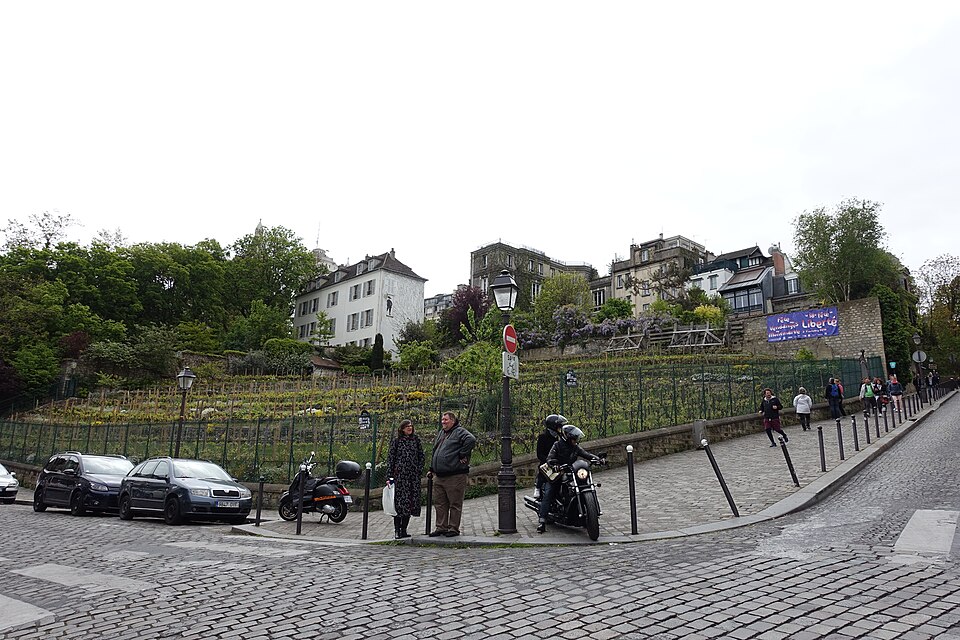
Clos Montmartre vineyard in Paris. Photo: Guilhem Vellut / CC BY 2.0
The Clos Montmartre vineyard owns a special place in France’s history books. Opened in 1933 on the corner of Rue des Saules and Rue Saint-Vincent in Paris’s 18th arrondissement, Clos Montmartre is the last operational vineyard within the city limits – and as the last vineyard within the city limits, every harvest is quite the affair.
That’s why, for five days every October, the streets surrounding the vineyard spring to life with music, parades, and fine dining as locals and visitors alike celebrate another bountiful Montmartre grape harvest.
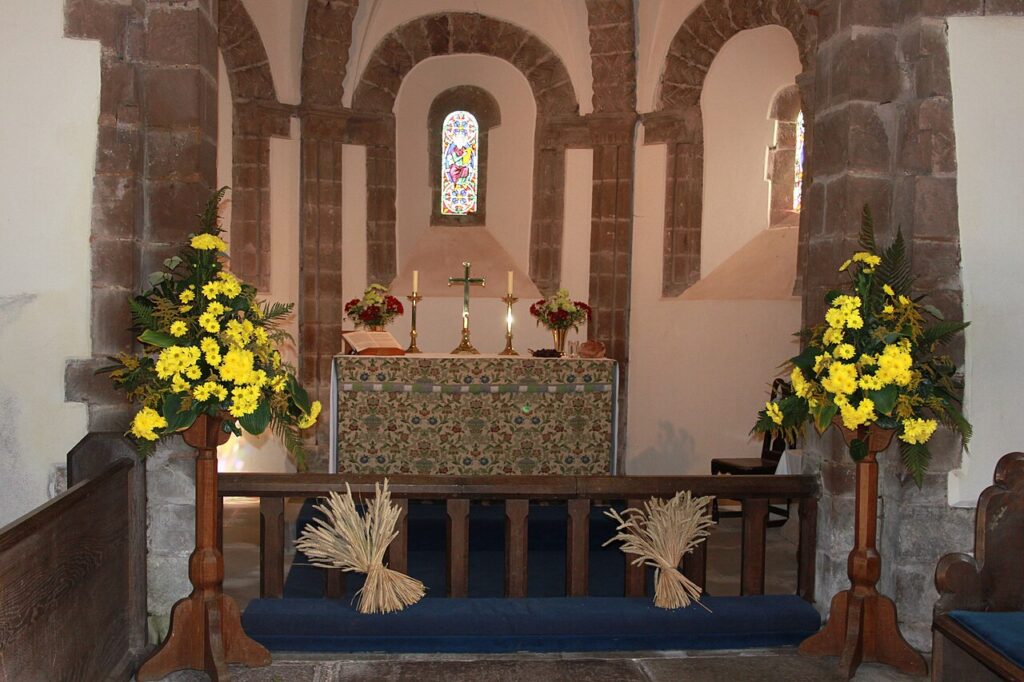
Harvest Festival decorations at Kilpeck church. Photo: Roger Davies / CC BY 2.0
Every year on the Sunday closest to the harvest moon, the United Kingdom honors the season with its own pagan-inspired Harvest Festival. This seasonal celebration – much like Erntedankfest in Germany – is more of a cultural and religious affair than an official public holiday. Churches around the U.K. decorate altars for the harvest, and children are encouraged to bring donations of food with them to school, where they are collected and distributed to local food banks and charities.
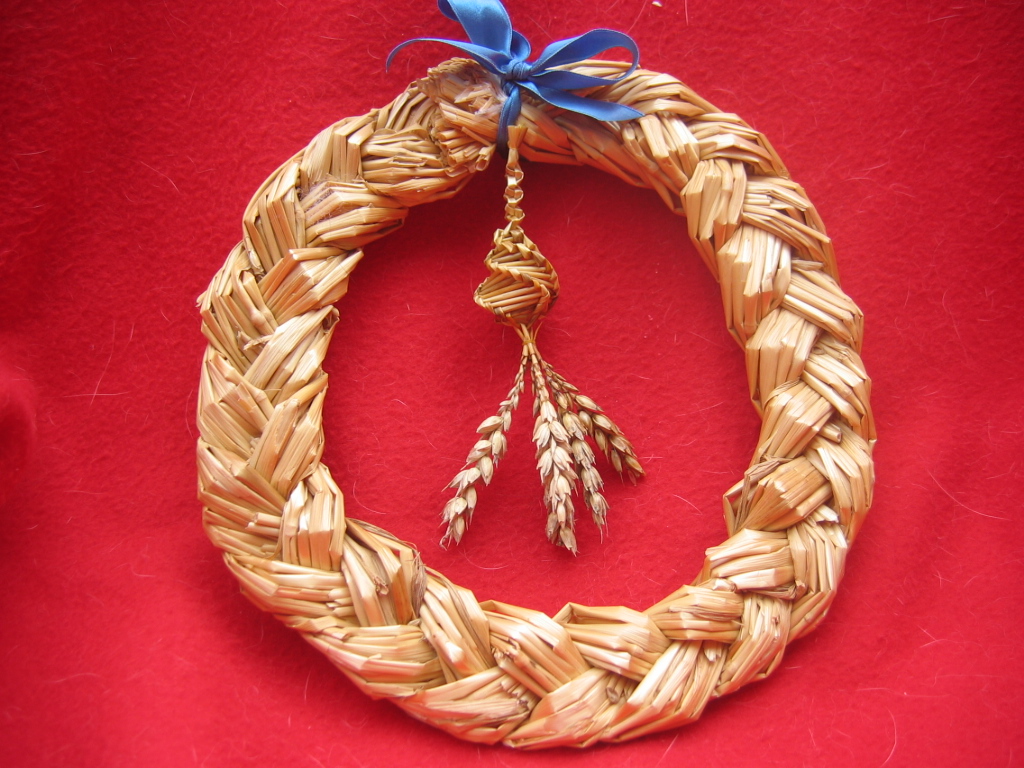
Harvest wreath
Dożynki began in the 16th century when Polish landowners marked the end of the harvest season with celebrations for field workers. While this Slavic tradition does enjoy pre-Christian roots closely tied to seasonal cycles and the autumn equinox, Dożynki, like many of the other pagan-inspired harvest festivals across Europe, began incorporating aspects of Christianity over the years. Today, Dożynki festivities – which may or may not include a church service – typically center around traditional music, dancing, and community meals, with the harvest wreath woven from grain stalks and decorated with flowers or berries serving as one of the feast’s most instantly recognizable symbols.
We hope this rundown provides an interesting Thanksgiving-week look at harvest festivals around the world. And if you’re looking to travel the globe in 2027, whether to Europe, Africa, Asia, the South Pacific, or North and South America, we’re sure to offer the perfect tour for you. When you decide on your dream destination, simply submit an online reservation request or call us at 1-888-370-6765 and one of our Travel Counselors will be thrilled to assist you.
Share your great adventures with us on social media. Tag your pictures with #myodyssey and they may be featured on our website!


By using this website you are agreeing to our Cookie Policy.


