


Ancient history can often feel out of reach. Even the most compelling historical books or films still only tell the stories of the deep past. It’s only when you walk in the footsteps of these long-ago people that their lives begin to come into vivid focus.
Standing beneath the warm Egyptian sun, smelling the salt tang of the Mediterranean, walking through the shadows cast by fabled Stonehenge – these on-the-ground experiences offer an authentic way to connect with the men and women who built the ancient monuments we still revere today.
Read on for a ranking of the 10 oldest sites with evidence of human habitation that we visit on our Odysseys Unlimited small group tours. And if the ancient civilizations in these tales call to you, visit our website or call our Travel Counselors to plan your next history-infused adventure.
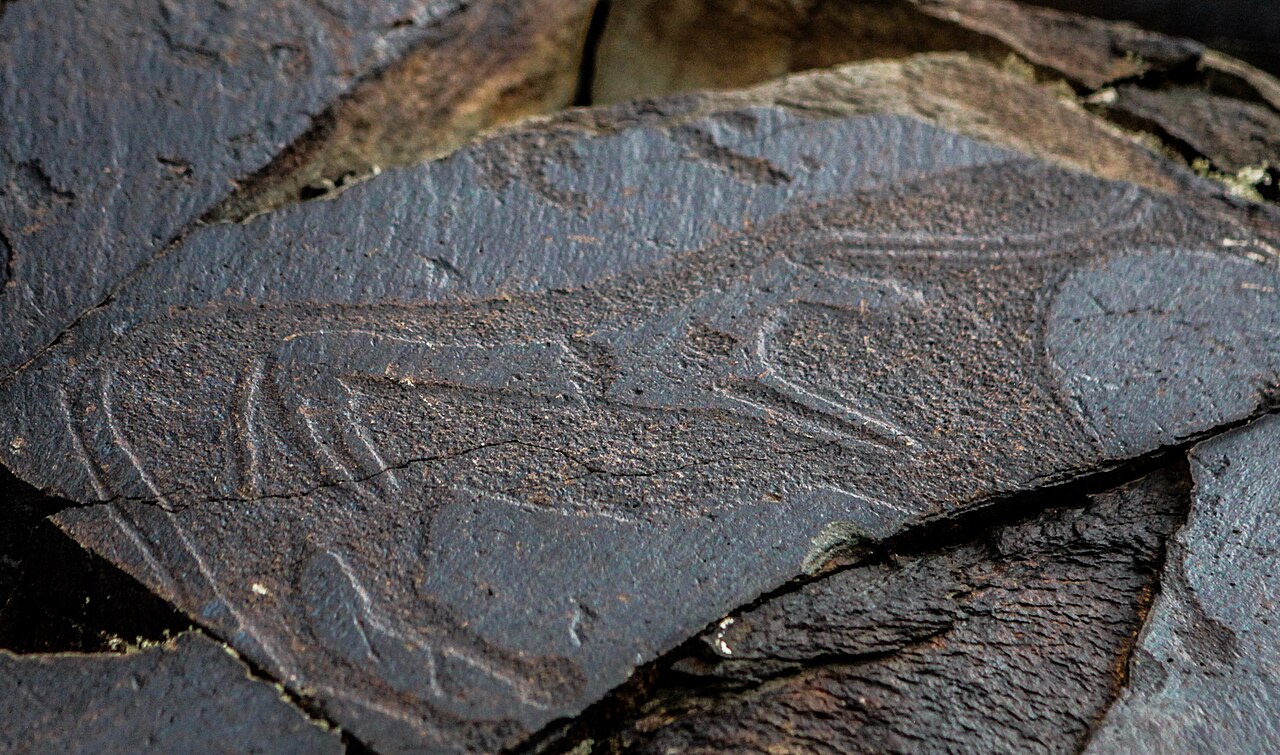
Photo credit: Ninaras via Wikimedia
10. Tamgaly Petroglyphs | Along Central Asia’s Silk Road | ~1300 BCE
On Day 5 of our adventure through Central Asia, during our drive from Bishkek, Kyrgyzstan, to Almaty, Kazakhstan, we stop at Tamgaly Gorge. Here, some 5,000 prehistoric rock carvings cover the ancient stone, depicting everything from dancers and warriors to wild animals and sun-headed deities.
While our Silk Road touring introduces us to cities that prospered from the 6th to 15th centuries, these glyphs provide indisputable evidence of a history far, far older.
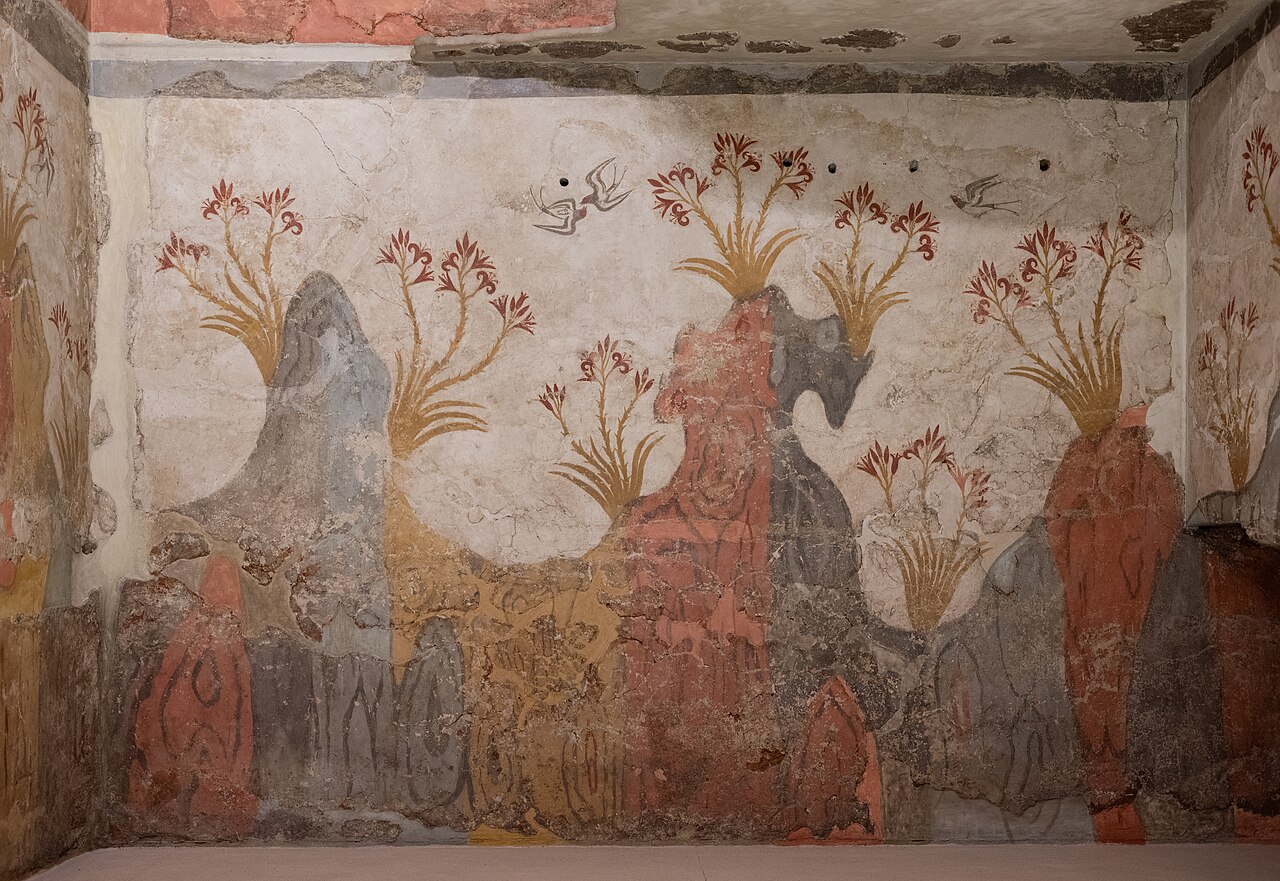
9. Akrotiri | Ancient Greece with Santorini and Crete | ~1800 BCE
Before the ancient Greece that many know and learn about in school, an earlier civilization thrived in these Mediterranean environs: the Minoans. And on Day 12 of our explorations of the Grecian isles, we head to Akrotiri, a Minoan civilization that thrived during the 1800s BCE before suffering a similar fate to Pompeii – though the destructive power it endured was far greater.
In or around 1627 BCE, the volcano on the island of Thera (now Santorini) produced one of the most violent and destructive eruptions in recorded history. The eruption was four times larger than the 1883 eruption of Krakatoa, and was responsible for the creation of the vast caldera around which Santorini sits. Needless to say, Akrotiri, a settlement on Santorini’s southern slope, was decimated.
It’s theorized that this massive eruption and Santorini’s resulting collapse set the groundwork for Plato’s story about the lost city of Atlantis. Fortunately for us, the site of Akrotiri was not lost, and now offers a rare glimpse some 3,500 years into the past. The ash from the eruption preserved the frescoes and works of art that we are fortunate to view during our tour.
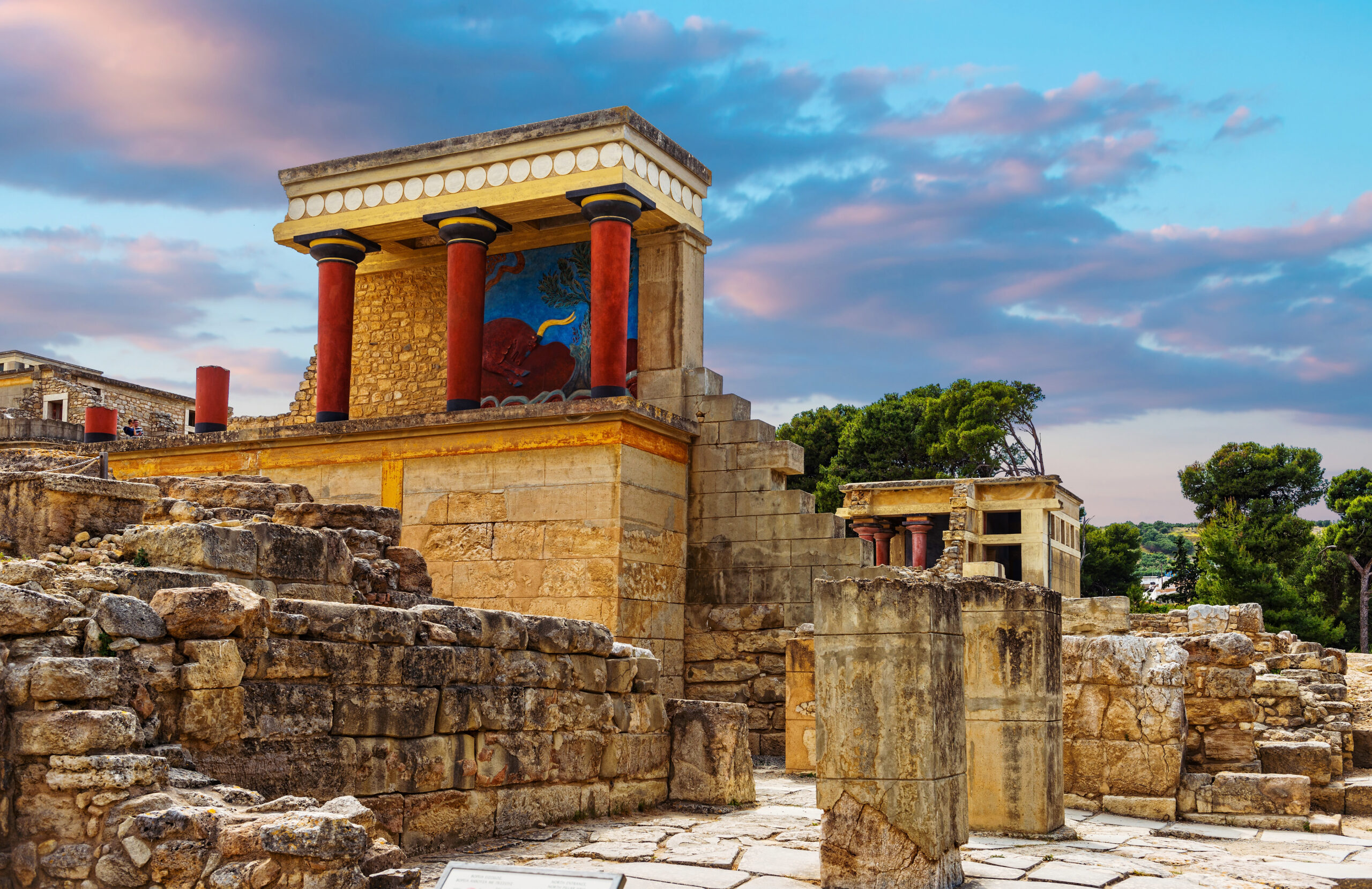
8. The Palace of Knossos in Crete | Ancient Greece with Santorini and Crete | 1900 BCE
The Palace of Knossos served as the political, economic, and cultural center of Minoan life. In fact, the inspiration for the legendary tale of King Minos, the labyrinth, and the Minotaur sprung from this intricately designed palace, which sits close to the northern coast of the island of Crete.
We explore this ancient site on Day 9 of our Ancient Greece tour, allowing us to fully appreciate the remaining columns, archways, and vividly colored frescoes that hint at the onetime grandeur of the palace.

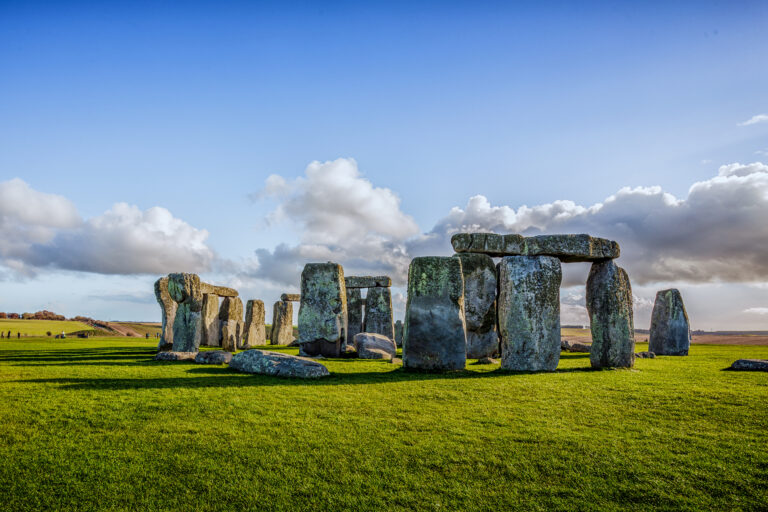
7. Stonehenge | Journey through Britain I ~2500 BCE
It’s perhaps the world’s most famous prehistoric megalithic structure – an instantly recognizable complex built from massive sandstone pillars on the plains of southwest England. During our Journey through Britain tour, we visit this legendary monument, the purpose of which is still not fully understood.
The builders of Stonehenge left no written records. While many theories exist as to the complex’s purpose, it seems certain that both burial rituals and celestial observation were involved, as many burial mounds exist nearby, and Stonehenge aligns perfectly with the angle of the sun on both the summer and winter solstices. Though its purpose is lost to time, its majesty is not dimmed by age, and on Day 12, we have time to fully appreciate the lost genius of a Bronze Age culture who transported these immense stones more than 400 miles to their final location.
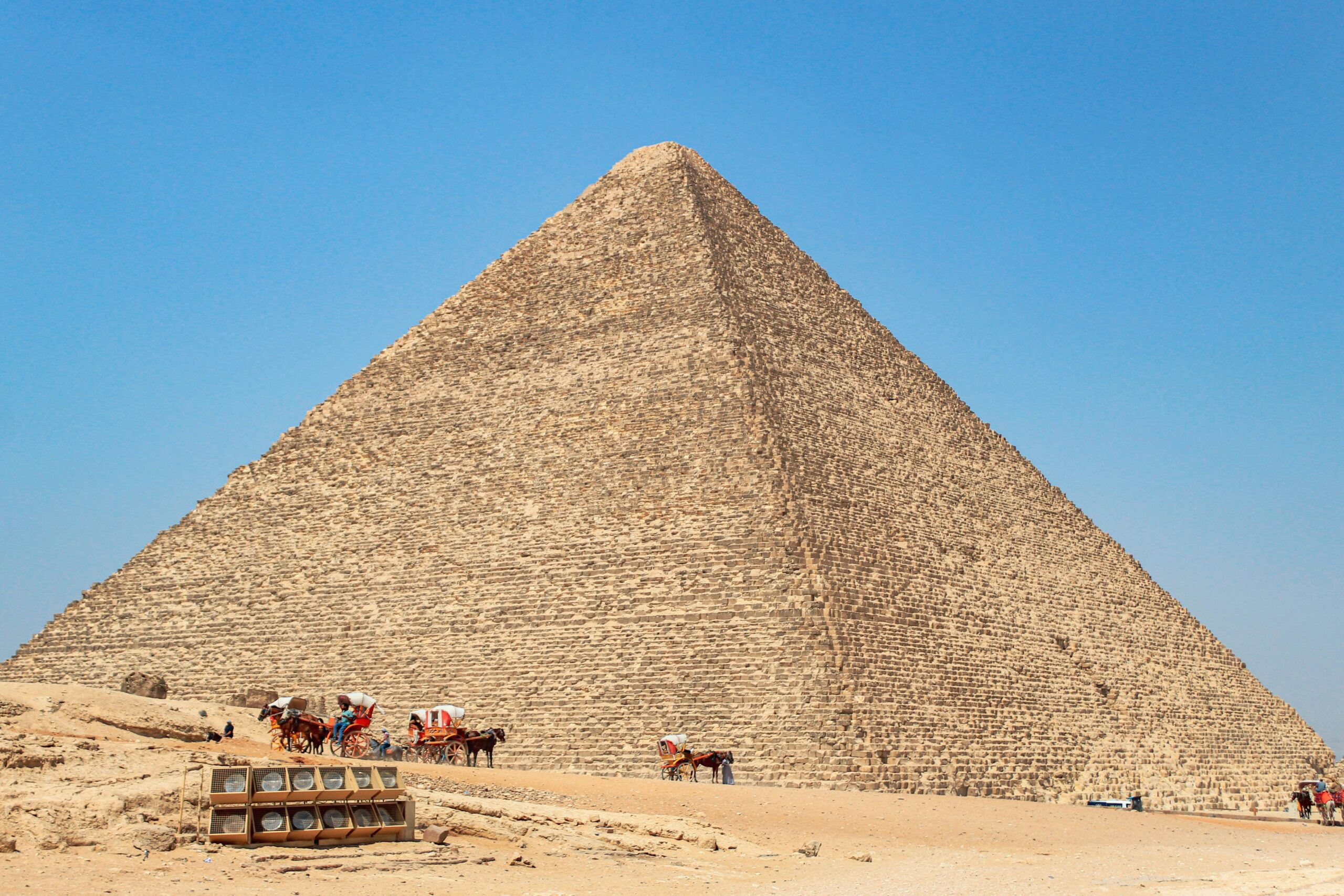
Photo credit: Noriely Fernandez on Unsplash
6. Great Pyramid of Giza & the Sphinx | Egypt & the Eternal Nile | 2560 BCE
A simply iconic structure of the ancient world greets us on Day 4 of our Egypt & the Eternal Nile tour, as we tour the Giza plateau. Here, we visit the world-famous Great Pyramid (or Pyramid of Cheops), which ranks as the only surviving member of the Seven Wonders of the Ancient World. A truly awe-inspiring sight, the Great Pyramid was the tallest man-made structure on Earth for nearly 3,800 years.
In front of the Pyramids stands the serene Sphinx, whose leonine body and human face were carved almost entirely from one piece of limestone and submerged by desert sands for thousands of years. As we spend time admiring these ancient and world-famous monuments in person, the past comes close enough to touch.
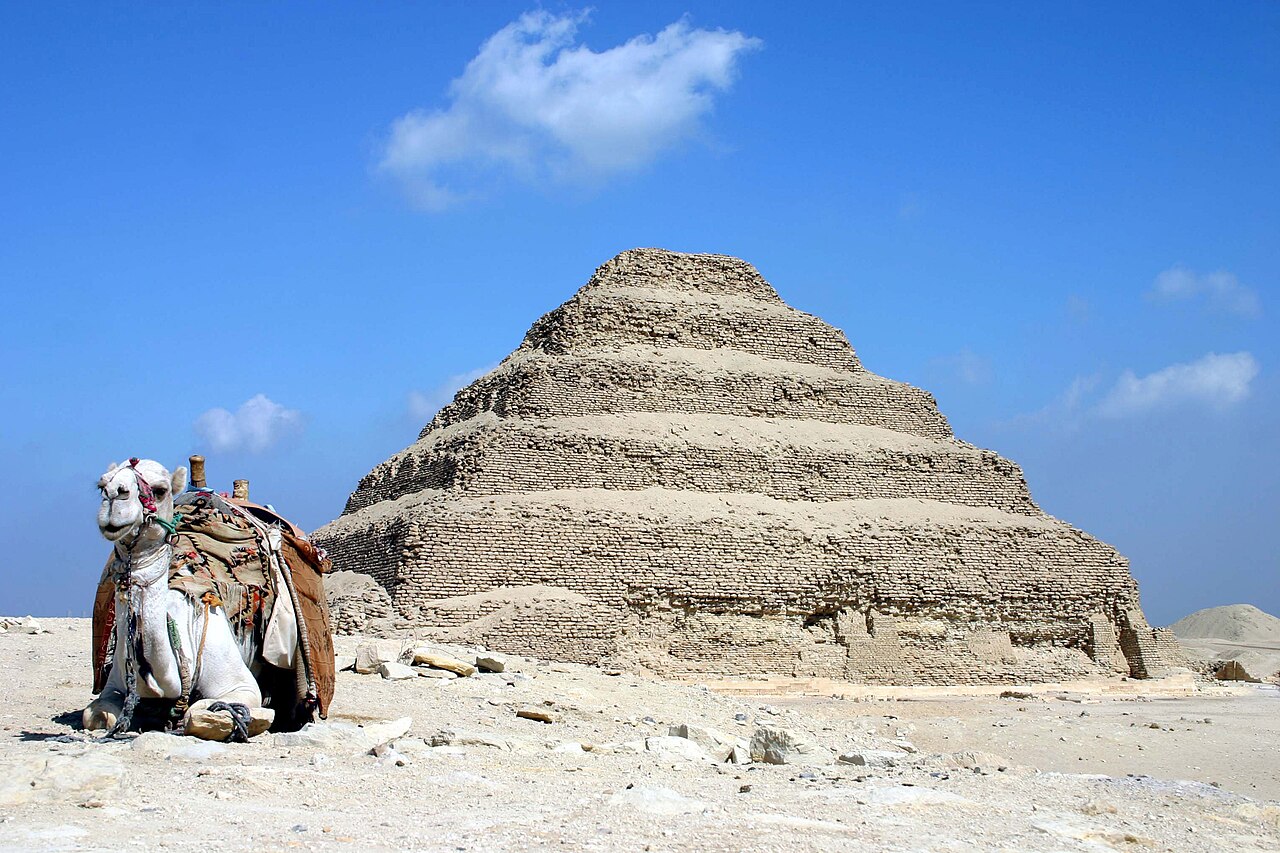
Photo credit: Charles J. Sharp via Wikimedia
5. Step Pyramid of Djoser at Sakkara | Egypt & the Eternal Nile | ~2670 BCE
Back in Cairo on Day 14 of our tour, we head to the necropolis complex of Sakkara, where we see the step pyramid of Djoser. This site is still largely unexcavated today, but fortunately the Step Pyramid stands ready to awe Odysseys guests with its remarkable four-millennia longevity.
After its construction, this funerary pyramid held the title of the largest stone structure ever built, and it forms the center of a remarkable complex which includes a broad colonnaded hall, a great court, and stone altars representing Upper and Lower Egypt.
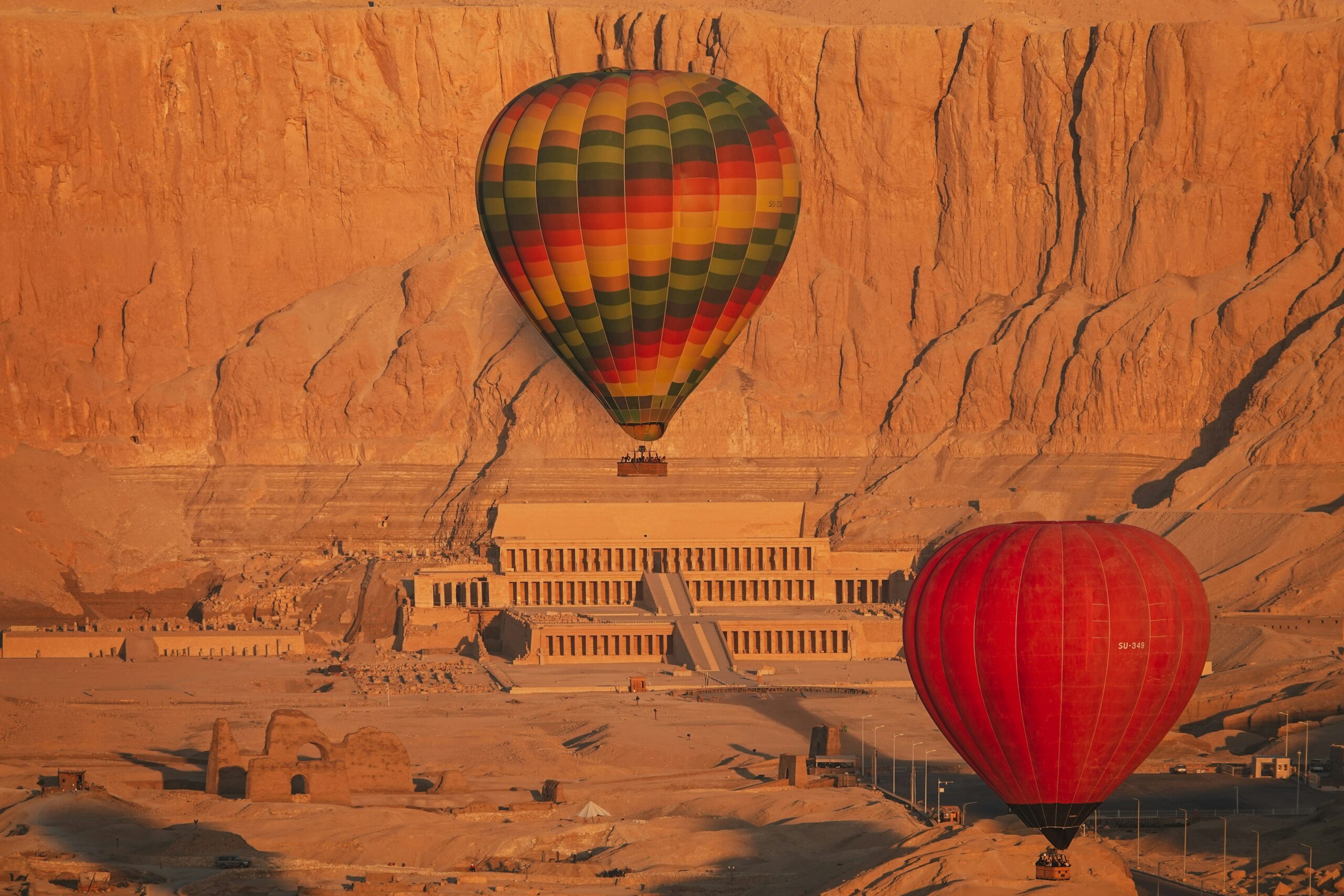
Photo credit: Nathalie Lays via Unsplash
4. Luxor | Egypt & the Eternal Nile | ~2755 BCE
We go back to Egypt for the fourth oldest place we visit on tour, and the very oldest site in all of our Egypt touring. Luxor is considered “the world’s greatest open-air museum”, and contains vast networks of temples, tombs, and statues strung along both sides of the Nile.
As we spend time on Day 12 making our way through this immense site, our expert Egyptian guide illuminates the many ancient wonders and mind-blowing facts about Luxor. One of the most incredible nuggets: Luxor Temple lasted so long, and was subjected to so many continuous improvements, that its official builders include both Tutankhamun and Alexander the Great. Guests who wish to do so may rise early to enjoy a breathtaking hot air balloon ride over Luxor, as seen in the above photo.
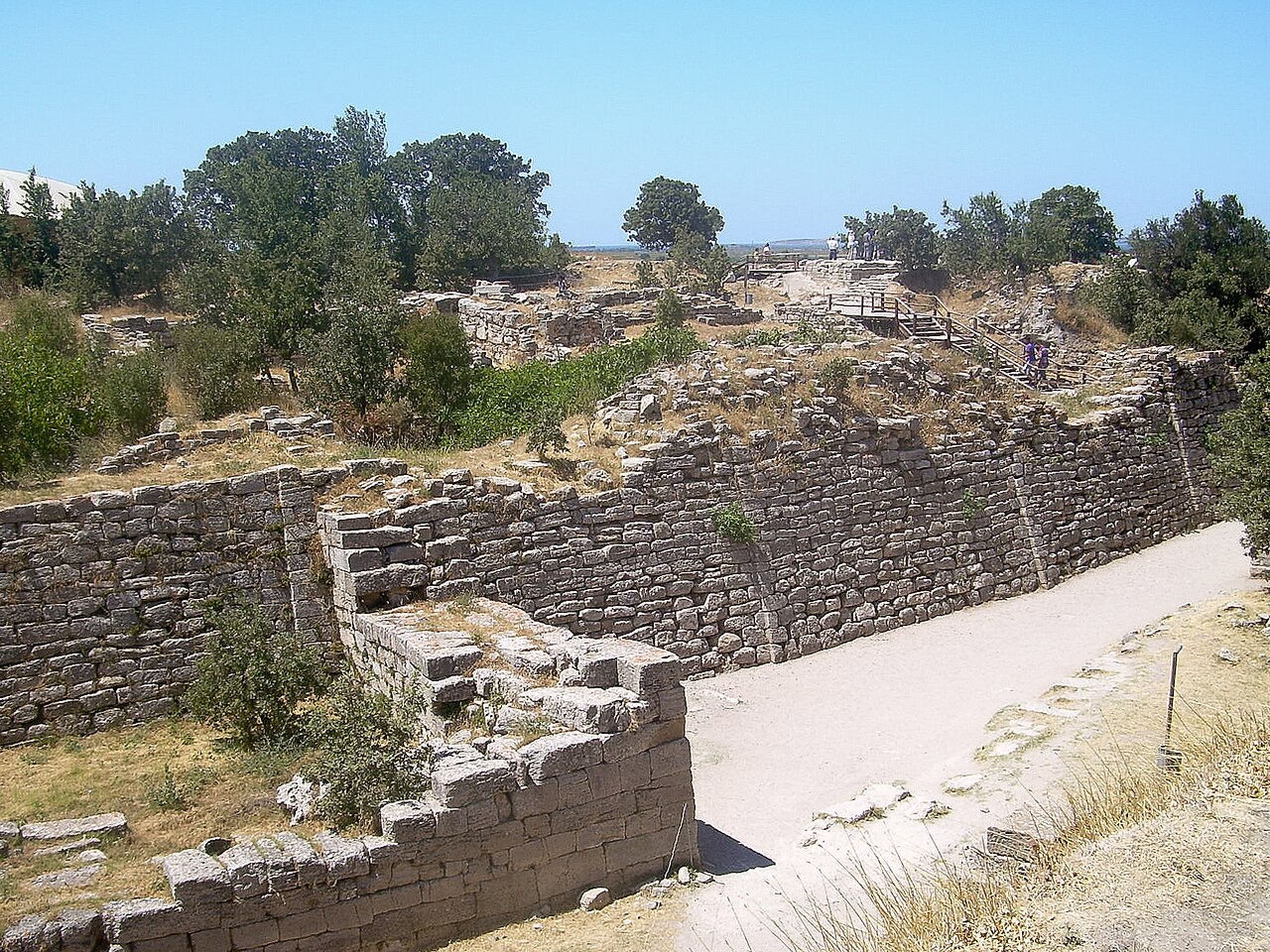
Photo credit: CherryX via Wikimedia
3. Troy | Legendary Türkiye | ~3000 BCE
Immortalized in Homer’s Iliad and The Odyssey, the ancient city of Troy spans over 4,000 years of continuous occupation. On Day 6 of our Legendary Türkiye tour, guests walk among the layered stone ramparts, defensive walls, and foundations of this city once thought to exist only in legend. We also visit the Museum of Troy, showcasing more than 2,000 historical artifacts from the city. With these twin visits, this famous destination jumps off the pages of history and nestles into our memories as an unforgettable lived experience.
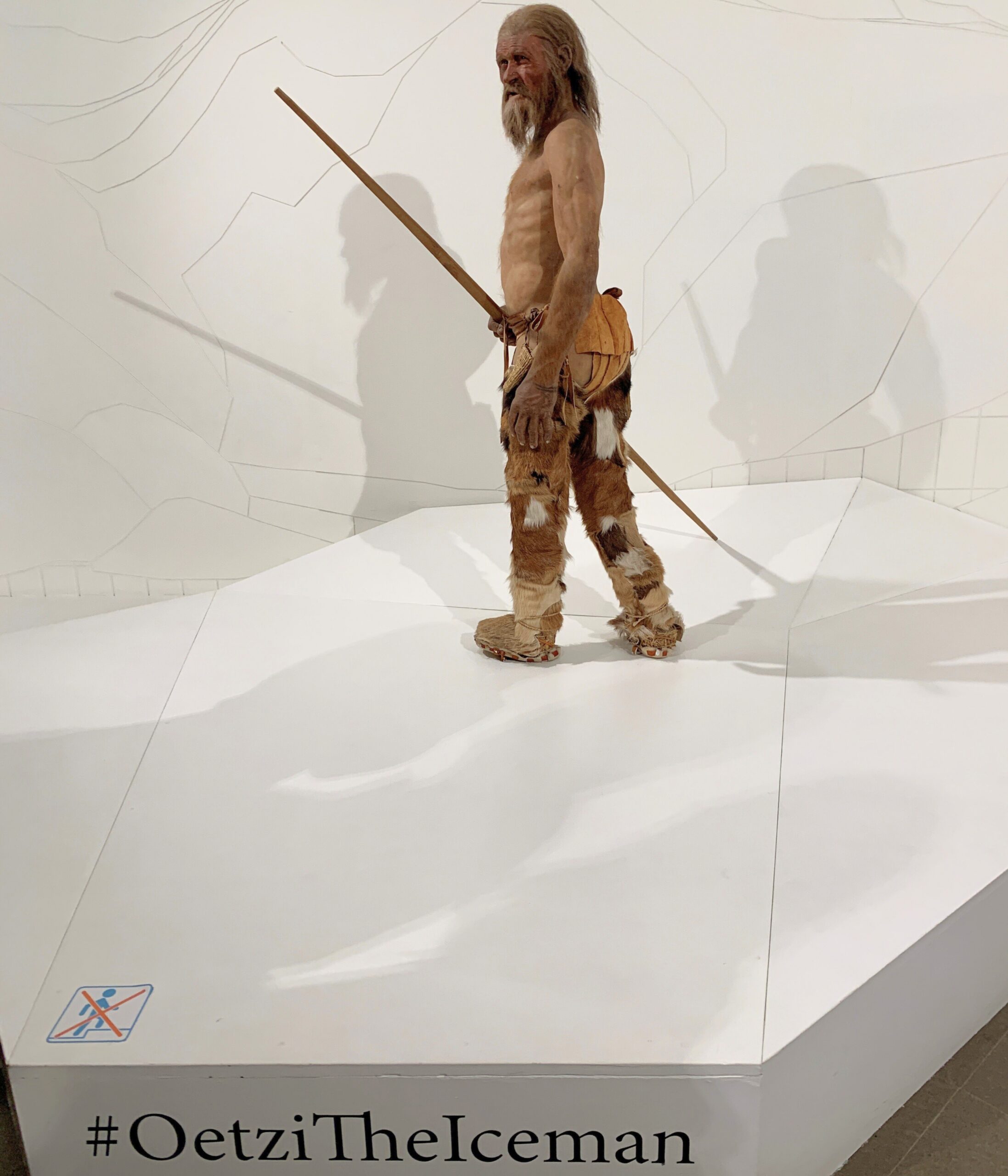
A life-like reconstruction of Ötzi the Iceman on display at the South Tyrol Museum of Archaeology, which we visit on Day 12 of our Northern Italy small group tour.
2. Ötzi the Iceman | Northern Italy | 3300 BCE
On Day 12 of our exploration of Northern Italy, we are in Bolzano, gateway to the Dolomites in the Italian Alps. Within this German-accented mountain town, we tour the South Tyrol Museum of Archaeology, famous for housing Europe’s oldest known natural mummified human corpse: Ötzi the Iceman, dating to 3300 BCE.
Found by two hikers in 1991, the remains of Ötzi were so well-preserved that they were initially thought to belong to a recently deceased climber. Experts quickly determined that this particular mountain man was much older, and his remains may even hold clues to the earliest human inhabitants of this part of the world. For a full breakdown of Ötzi’s story, explore our history dive blog post on the topic here.
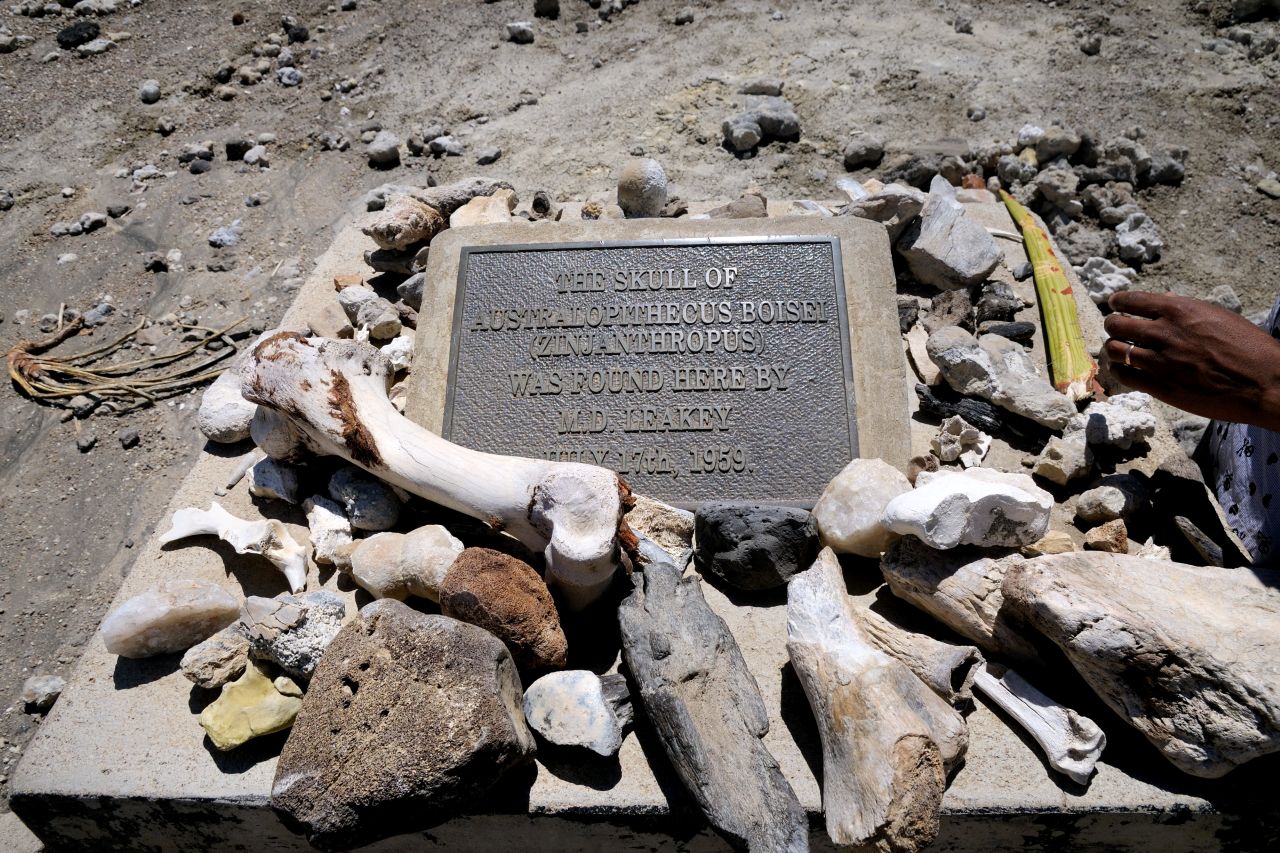
Photo credit: George Lamson via Wikimedia
1. Olduvai Gorge | Classic Safari and Tanzania Adventure | ~1.8 million BCE
No trip to Tanzania would be complete without a stop at Olduvai Gorge – one of the cradles of human civilization, a destination that contains the oldest traces of human habitation that we visit on any of our 45+ small group tours.
On both Tanzania Adventure and Classic Safari, we visit the Olduvai Gorge Museum, which overlooks the 31-mile Olduvai Gorge in northern Tanzania. It was here in 1959 that anthropologist Mary Leakey discovered the 1.8-million-year-old skull of Australopithecus boisei and revolutionized the study of human evolution. Known as the “Cradle of Mankind,” Olduvai ranks as one of the world’s most important prehistoric archaeological sites for its rich fossils, early hominid remains, and the ongoing discovery of some of the world’s oldest stone tool technologies.
The Leakey family continues to research early human development at Olduvai to this day. While here, we have the opportunity to see the site from a panoramic viewpoint via the amphitheater above, and we also visit the on-site museum.
Whether you’re fascinated with the Minoans, the Egyptian dynasties, legendary destinations like Troy and Stonehenge, or a different era of history entirely, chances are, we have a small group tour (and an expert tour director) that can grant access to these timeless destinations.
Explore our full list of tour offerings here, or give us a call or submit an online reservation request for any of the small group journeys detailed above. We’d love to help bring history to life for you.
Share your great adventures with us on social media. Tag your pictures with #myodyssey and they may be featured on our website!


By using this website you are agreeing to our Cookie Policy.


